40 Inch TV vs 43 Inch TV: Which Size Should You Buy?
Compare a 40 inch TV vs 43 inch TV by screen size, room dimensions, viewing distance, picture impact, price, and everyday usability before you buy.
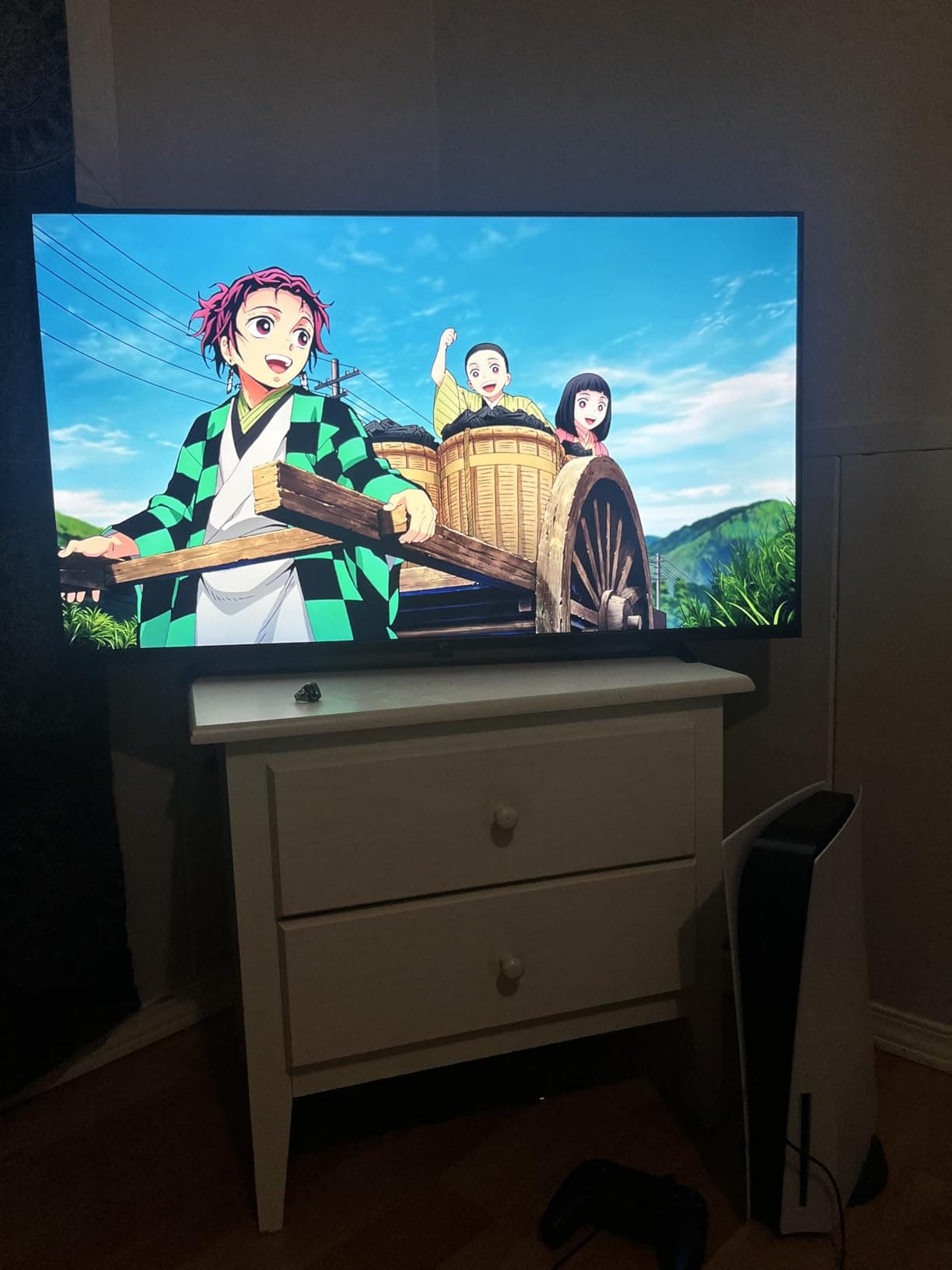
Choosing between a 40 inch TV vs 43 inch TV looks simple, but a few inches can change how the screen fits your furniture, how immersive movies feel, and how much you spend. Both sizes work well for bedrooms, apartments, offices, guest rooms, and compact living rooms. The better choice depends on your viewing distance, wall or stand space, content, and budget rather than the diagonal measurement alone.
In this 40 inch vs 43 inch TV comparison, we break down the actual screen dimensions, room-size fit, picture difference, price difference, gaming considerations, and the situations where each size makes more sense.
40 Inch TV vs 43 Inch TV at a Glance
| Consideration | 40 inch TV | 43 inch TV |
|---|---|---|
| Approximate diagonal | 40 inches | 43 inches |
| Approximate 16:9 width | 34.9 inches | 37.5 inches |
| Approximate 16:9 height | 19.6 inches | 21.1 inches |
| Best room fit | Smaller bedrooms, desks, narrow furniture | Small living rooms and wider walls |
| Viewing distance | Comfortable at close to medium range | Better when seating is slightly farther away |
| Typical price | Often lower, depending on brand and resolution | May cost modestly more for similar features |
40 Inch TV Size
A 40 inch television has a 40-inch diagonal measurement, not a 40-inch width. On a typical 16:9 panel, the screen is about 34.9 inches wide and 19.6 inches high, before adding the bezel and stand. That compact footprint makes a 40 inch TV easier to place on a dresser, narrow media console, desk, or small wall.
The smaller screen can also be more comfortable when you sit close. Text, menus, and subtitles remain easy to scan without requiring you to move your head across a very wide image. If your room is limited or the television is a secondary screen, 40 inches can provide a clean balance of size and space.
43 Inch TV Size
A 43 inch TV is approximately 37.5 inches wide and 21.1 inches high on a 16:9 panel. That means the screen is about 2.6 inches wider and 1.5 inches taller than a 40 inch TV. The difference sounds small, but the extra screen area is visible when watching movies, sports, or split-screen games.
The 43 inch size is often a sweet spot for a small living room. It gives you more viewing area without the visual and furniture demands of a 50-inch or larger set. If you are replacing an older 40 inch TV and have enough clearance, the 43 inch model can feel like a worthwhile upgrade without changing the room layout.
Room Size Comparison
For a bedroom, office, or guest room with a short viewing distance, a 40 inch TV is usually easier to position. It leaves more room for lamps, speakers, storage, and other furniture. Measure the width of the console rather than relying only on the advertised screen size, because feet on some 43 inch models are set near the edges.
For a compact living room, a 43 inch TV often gives a more natural shared viewing experience. It is helpful when seating is several feet away or spread across a sofa. Wall mounting can make either size work, but check the VESA pattern, wall width, eye level, and cable access before choosing the larger screen.
- Choose 40 inches when the console is narrow, seating is close, or the TV is for a bedroom or desk.
- Choose 43 inches when viewers sit farther away, the wall has extra space, or movies and sports are priorities.
- Leave ventilation space around the panel and measure the stand footprint, not only the diagonal size.
- Use viewing distance and content habits as the final test when both sizes physically fit.
Picture Difference: 40 Inch vs 43 Inch TV
At the same resolution and panel quality, a 43 inch TV does not automatically have a better picture than a 40 inch TV. The extra size mainly makes details easier to see and creates a more immersive image. Picture quality still depends on contrast, brightness, color accuracy, viewing angle, processor quality, and motion handling.
A 4K panel can look especially crisp on either size when you sit close enough to resolve the extra detail. If you mostly watch cable, older shows, or compressed streams, better upscaling may matter more than the difference between 40 and 43 inches. Compare the exact panel and processing features instead of assuming a larger screen is automatically sharper.
Price Difference
The price gap between a 40 inch and 43 inch TV varies by brand, operating system, resolution, and sale timing. Sometimes a 43 inch model costs only a little more because manufacturers focus their biggest discounts on that popular size. In other cases, a 40 inch TV is the better budget option, particularly when you are buying a secondary screen.
Compare the total package rather than the screen alone. A lower-priced television may have fewer HDMI ports, weaker speakers, a slower interface, or an older smart platform. If the 43 inch model includes a better processor, 4K resolution, or a longer software-support window for a modest premium, it may offer stronger value over several years.
40 or 43 Inch TV for Gaming?
For gaming, size is secondary to input lag, Game Mode, refresh rate, HDMI features, and motion handling. A 40 inch TV can be better for a desk or close-up gaming because the whole screen fits comfortably in your field of view. A 43 inch TV is more immersive from a sofa, especially for racing, adventure, and split-screen games. Check console placement, viewing distance, and the model's measured gaming performance.
Which One Should You Buy?
Buy a 40 inch TV if you have limited furniture or wall space, sit fairly close, want a lower purchase price, or need a compact screen for a bedroom, office, or dorm. It is also a sensible choice when the 40 inch model has a better panel or smart platform than a similarly priced 43 inch alternative.
Buy a 43 inch TV if both sizes fit comfortably, your seating is farther away, and you value extra immersion for movies, sports, and console games. The larger screen is usually the better shared-room choice, while the 40 inch TV is often the more flexible close-viewing choice.
Quick Decision Checklist
- Measure the actual console or wall and leave room for the stand, cables, and ventilation.
- Estimate the distance from the main seat to the screen.
- Decide whether you need 4K, Game Mode, Bluetooth audio, or a specific streaming platform.
- Compare the exact model's width, picture processing, HDMI ports, and warranty.
- Choose 43 inches for more immersion when space and price are close; choose 40 inches for compact flexibility.
Frequently Asked Questions
The best answer to 40 inch vs 43 inch TV comes down to room fit and viewing habits. Pick 40 inches for compact spaces and close seating; pick 43 inches for a slightly more immersive shared-room screen. When the price difference is small, compare the exact TV's picture, smart platform, connections, and warranty before making the final decision.
Compare the top picks
Our full rankings for the products covered in this guide.