Best 12-Volt Refrigerators 2026
Discover the best 12V portable refrigerators for camping, trucks, RVs, and boats. Our top picks offer reliable cooling, flexible power options, durable designs, and user-friendly controls.
We may earn a commission from links on this page.


Top Picks Compared
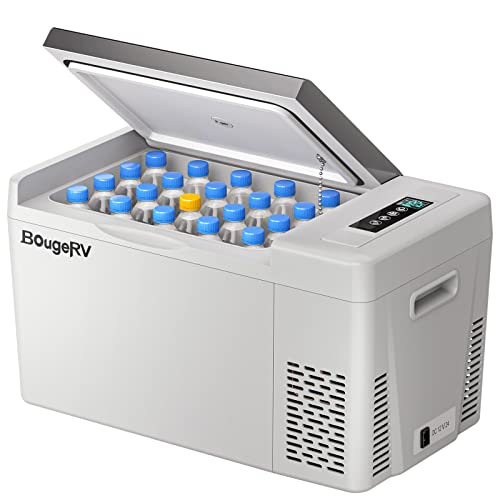
1. BODEGA 12 Volt RV Refrigerator 83L BODEGA | 2. Euhomy 12 Volt Portable Refrigerator Freezer 53QT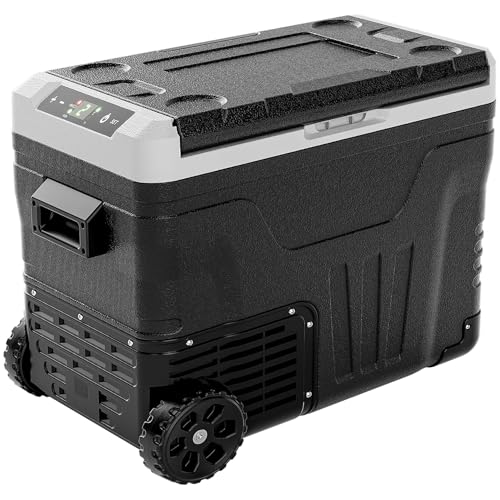 EUHOMY | 3. BODEGA 79QT Dual Zone Car Refrigerator BODEGA | 4. Euhomy 12 Volt Portable Fridge 59QT EUHOMY | 5. BougeRV 53 Quart Portable Car Refrigerator BOUGERV | |
|---|---|---|---|---|---|
| Our Score | 9.9 | 9.8 | 9.6 | 9.5 | 9.3 |
| Deal | -20% | — | — | -10% | -19% |
| Capacity | 83 L (~88 qt) | 53 qt | 79 qt | 59 qt | 53 qt |
| Temp Range | Wide range | Wide range | Wide range | Down to -4°F | Wide range |
| Zones | Single | Single | Dual zone | Single | Single |
| Power Options | 12/24V DC + AC | Dual (DC/AC) | 12/24V DC + AC | Dual (DC/AC) | Dual (DC/AC) |
| Controls | App + lock system | Digital | App control | App control | Digital |
| Best For | RV & large capacity | Portability (wheels) | Fridge + freezer split | Home & travel | Outdoor adventures |

12-Volt Refrigerator Buying Guide
A 12-volt refrigerator can keep food and drinks chilled without relying on ice, making it useful for road trips, camping, RV travel, trucking, boating, and backup storage. Unlike a basic thermoelectric cooler, a compressor-style portable refrigerator can usually cool below ambient temperature and many models can freeze. The right choice depends on usable capacity, available power, expected travel time, temperature range, and how easily the unit fits and moves within your vehicle or campsite.
Choose Capacity for the Trip, Not Just the Vehicle
Small refrigerators around 11 to 23 quarts are easier to carry and fit behind a seat, but they hold fewer meals and drinks. Larger 50-quart and RV-size models are better for families or multi-day travel, although they occupy more cargo space and become heavy when loaded. Check external dimensions as well as internal capacity, then measure the intended location with room for the lid, handles, ventilation, and power cable. Basket layout and compressor housing can reduce usable storage, so interior dimensions are useful when you need to fit tall bottles or meal containers.
Single-Zone and Dual-Zone Cooling
A single-zone refrigerator maintains one temperature throughout the compartment and is a straightforward choice for chilled food and beverages. A dual-zone model can separate frozen and refrigerated items when each compartment has independent temperature control. Some products divide one cooling system into two sections with different effective temperatures rather than fully independent control, so read the operating description carefully if simultaneous freezing and refrigeration are essential.
Power Options and Battery Protection
Most portable compressor refrigerators accept 12/24V DC power in a vehicle, while an included or compatible AC adapter allows use at home or at a powered campsite. Confirm which cables and adapters are included. Low-voltage battery protection is especially important when the refrigerator runs from a vehicle's starter battery because it can shut the unit down before voltage falls too far. For parked or off-grid operation, a portable power station or auxiliary battery is generally more practical than depending on the starter battery for long periods.
Estimate Runtime Before Going Off Grid
Runtime cannot be predicted from refrigerator wattage alone because the compressor cycles on and off. Ambient temperature, target temperature, insulation, ventilation, how often the lid opens, and whether warm food is added all affect consumption. Compare the refrigerator's measured or rated energy use with the usable watt-hours of your battery or power station. Pre-cooling the refrigerator and its contents on household power can reduce the initial demand after departure.
Cooling Range and Real-World Performance
A wide setpoint range is useful when the same appliance must serve as a refrigerator on one trip and a freezer on another. Performance still depends on airflow around the compressor and the surrounding temperature. Keep vents clear, avoid direct sun when possible, and allow hot food to cool safely before loading it. A digital display and app control can make adjustments convenient, but a dependable thermostat and clear local controls remain important when a phone connection is unavailable.
Portability, Noise, and Durability
Consider loaded weight rather than empty weight when deciding whether handles alone are sufficient. Wheels can help with large models, while tie-down points or a secure mounting location prevent movement during travel. Compressor noise is usually intermittent but may matter when the refrigerator is near a sleeping area. Durable hinges, a secure lid latch, protected controls, and resistance to vibration are valuable for rough roads and frequent outdoor use. Waterproof claims should not be treated as permission to leave an electrical appliance exposed to rain unless the manufacturer specifically approves that use.
Food Safety and Maintenance
Use a separate refrigerator thermometer when food safety is critical, particularly during long trips or hot weather. Keep perishable food at a safe refrigerated temperature and avoid repeatedly opening the lid. Clean spills promptly, dry the interior before storage, and leave the lid slightly open when the unit is unplugged to prevent odors and moisture buildup. Inspect power connectors and cables regularly, and follow the manual before cleaning around vents or compressor components.
FAQ
It can drain a starter battery if it runs long enough while the engine is off. Use the refrigerator's low-voltage protection setting and follow its instructions. For extended parked use, an auxiliary battery or appropriately sized portable power station is usually a better option.
Many compressor models have setpoints below freezing and can operate as a freezer. Verify the specified temperature range and remember that hot ambient conditions, poor ventilation, or frequent lid opening can affect performance. Single-zone units generally refrigerate or freeze the whole compartment at one selected temperature.
Runtime depends on the power station's usable watt-hours and the refrigerator's average cycling consumption, not only its maximum wattage. Ambient heat, setpoint, insulation, and lid opening change the result. Divide usable battery energy by expected average hourly consumption for a rough estimate, then keep a safety margin.
Pre-cooling on AC power is helpful because the refrigerator does not need to remove as much heat after it is connected to the vehicle or battery. Loading already chilled food and beverages also reduces initial energy use and helps the compartment reach a stable temperature sooner.
A compressor refrigerator can usually maintain a selected temperature and may reach freezer temperatures. Many thermoelectric coolers only lower the interior a certain amount below ambient temperature, so their results vary more in hot weather. Check the cooling technology and specified temperature range before buying.
Get weekly top picks
Data-ranked products delivered to your inbox every week. Skip the research, get the winners.
No spam ever. Unsubscribe anytime. We respect your inbox.