Best Apartment-Size Washers and Dryers
Compare the best apartment-size washers and dryers for compact homes, condos, RVs, and rental spaces. We review capacity, installation needs, wash performance, drying options, and everyday convenience.
We may earn a commission from links on this page.


Top Picks Compared
1. Midea Washer Dryer Combo 24 Inch 2.7 cu.ft MIDEA | 2. Euhomy Portable Clothes Dryer 1.5 cu.ft 850W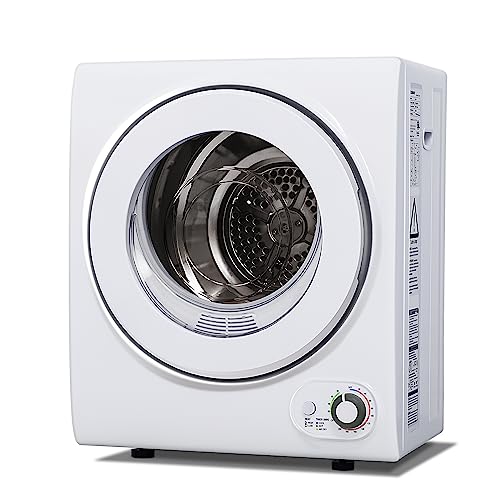 EUHOMY | 3. COMFEE' 0.9 cu.ft Compact Portable Washer COMFEE' | 4. COMFEE Washer and Dryer Combo 24 Inch 2.7 cu.ft COMFEE | 5. ROVSUN Full-Automatic Washer and Dryer Combo ROVSUN | |
|---|---|---|---|---|---|
| Our Score | 9.8 | 9.6 | 9.5 | 9.4 | 9.3 |
| Deal | — | — | — | — | -6% |
| Type | Washer/dryer combo | Compact dryer | Portable washer | Washer/dryer combo | Washer/dryer combo |
| Capacity | 2.7 cu.ft | 1.5 cu.ft (850W) | 0.9 cu.ft | 2.7 cu.ft | Compact |
| Venting | Ventless | Vented | N/A | Ventless | Ventless |
| Cycles | Multiple | Basic | 5 cycles | Steam care | Full-automatic |
| Installation | 24" flexible | Freestanding | Rollers, sink hookup | 24" | Freestanding |
| Best For | All-in-one space saving | Small-space drying | Portable washing | Overnight dry | Full-auto combo |

Apartment-Size Washer and Dryer Buying Guide
The best apartment-size washer and dryer depends on more than exterior dimensions. A compact appliance must fit the available floor space, connect to the utilities your home actually provides, and hold enough laundry to avoid constant small loads. Before comparing features, measure the installation area, doorways, hallways, and any tight turns the appliance must pass through. Leave the manufacturer-recommended clearance around the machine for hoses, airflow, vibration control, and service access.
Choose the Right Laundry Setup
All-in-one washer dryer combos save the most floor space because washing and drying happen in one drum. They are convenient for apartments without room for two appliances, although a complete wash-and-dry cycle can take longer than using separate machines. Portable washers are easier to move and may connect to a sink, while compact standalone dryers can add drying capability where a conventional laundry pair will not fit. A stackable compact washer and dryer offers faster back-to-back laundry but requires more vertical clearance and compatible hookups.
Measure Capacity as Well as Cabinet Size
Compact capacity is usually sufficient for everyday clothing, towels, and smaller bedding, but bulky comforters may need a larger machine or an occasional laundromat visit. Compare drum capacity with the number of people in the household and how frequently you prefer to wash. A slightly larger drum can reduce weekly cycles, while a very small portable washer may be better for one person who values easy storage over load size. Avoid overloading a compact drum because clothing needs room to tumble for effective washing, rinsing, and spin extraction.
Check Water, Power, and Venting Requirements
Installation requirements can eliminate otherwise attractive models. Confirm whether the washer needs permanent hot and cold water lines or can use a faucet adapter. Check the required outlet voltage and whether the circuit can support the appliance. Ventless dryers and ventless washer dryer combos are useful where an exterior exhaust duct is unavailable, while vented dryers generally need a properly installed duct. Renters should review lease rules before changing plumbing, electrical connections, cabinetry, or ventilation.
Compare Cycles and Everyday Convenience
Useful cycles should match the fabrics you wash most often. Quick wash, delicate, bulky, rinse and spin, and temperature selections provide practical flexibility. A high spin speed can remove more water before drying, which matters when using a compact dryer or indoor drying rack. Clear controls, a remaining-time display, delayed start, child lock, and automatic water-level sensing can make a small machine easier to live with. Smart controls are optional; reliable cycle selection and straightforward maintenance are usually more important.
Noise, Vibration, and Maintenance
Laundry appliances in apartments often sit close to bedrooms or living areas, so noise and vibration deserve attention. A level, solid floor and correctly adjusted feet help prevent movement during the spin cycle. Clean lint filters after drying, inspect inlet hoses, keep the door gasket dry, and run the recommended drum-cleaning cycle to control residue and odors. Accessible filters and simple maintenance instructions can be as valuable as extra wash programs over the life of the appliance.
FAQ
The right size is the largest model that fits the measured installation space while preserving required clearance for hoses, ventilation, and door movement. Compact 24-inch machines and portable washers are common apartment choices, but capacity and hookup requirements should be checked alongside width.
Many compact all-in-one combos use ventless condensation or heat-pump drying and do not need an exterior dryer vent. Requirements vary by model, so verify the installation manual before buying. Water connections, drainage, electrical service, and surrounding clearance are still required.
Some portable washers include or support a faucet adapter and drain into a sink. Faucet compatibility, hose reach, water pressure, and safe drainage differ by model. The connection must be secure, and the machine should never block a sink from draining properly.
They can work for smaller families that wash frequently and do not rely on large bulky loads. The main tradeoffs are reduced drum capacity and longer combined wash-and-dry cycles. Households with heavy laundry volume may prefer a compact stackable pair if space and hookups allow it.
Install the washer on a firm, level surface, adjust all leveling feet, remove shipping hardware, and balance each load. Avoid mixing one heavy item with several light items. If vibration continues, confirm that the floor and installation meet the manufacturer's requirements.
Get weekly top picks
Data-ranked products delivered to your inbox every week. Skip the research, get the winners.
No spam ever. Unsubscribe anytime. We respect your inbox.