Best Dark Spot Removers for Face
Compare the best dark spot removers for face and body by brightening ingredients, skin type, texture, routine placement, and irritation risk. This guide covers tranexamic acid, niacinamide, vitamin C, retinol, kojic acid, arbutin, peptides, and toner pads.
We may earn a commission from links on this page.

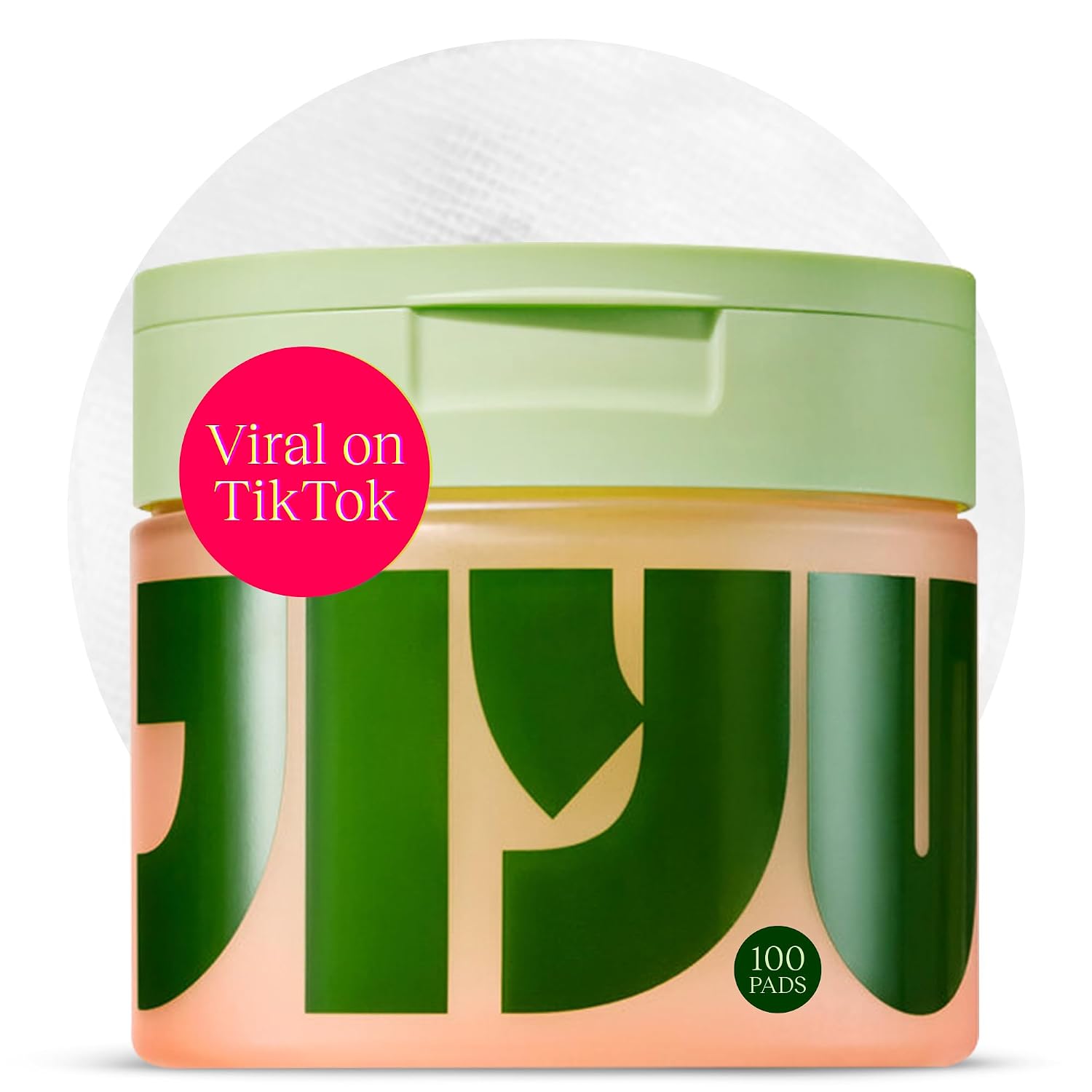
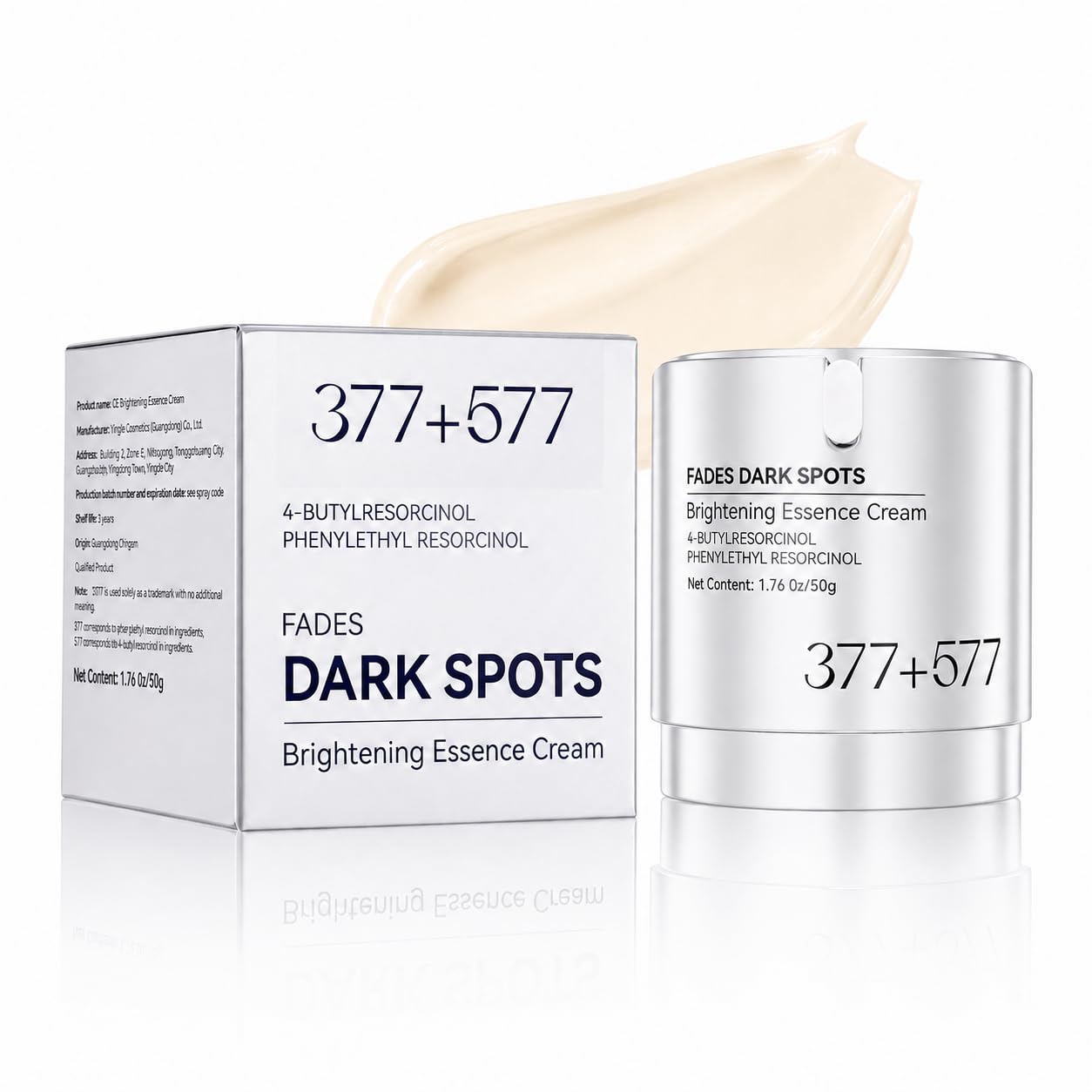
Top Picks Compared
1. TruSkin Brightening Vitamin C Serum with Hyaluronic Acid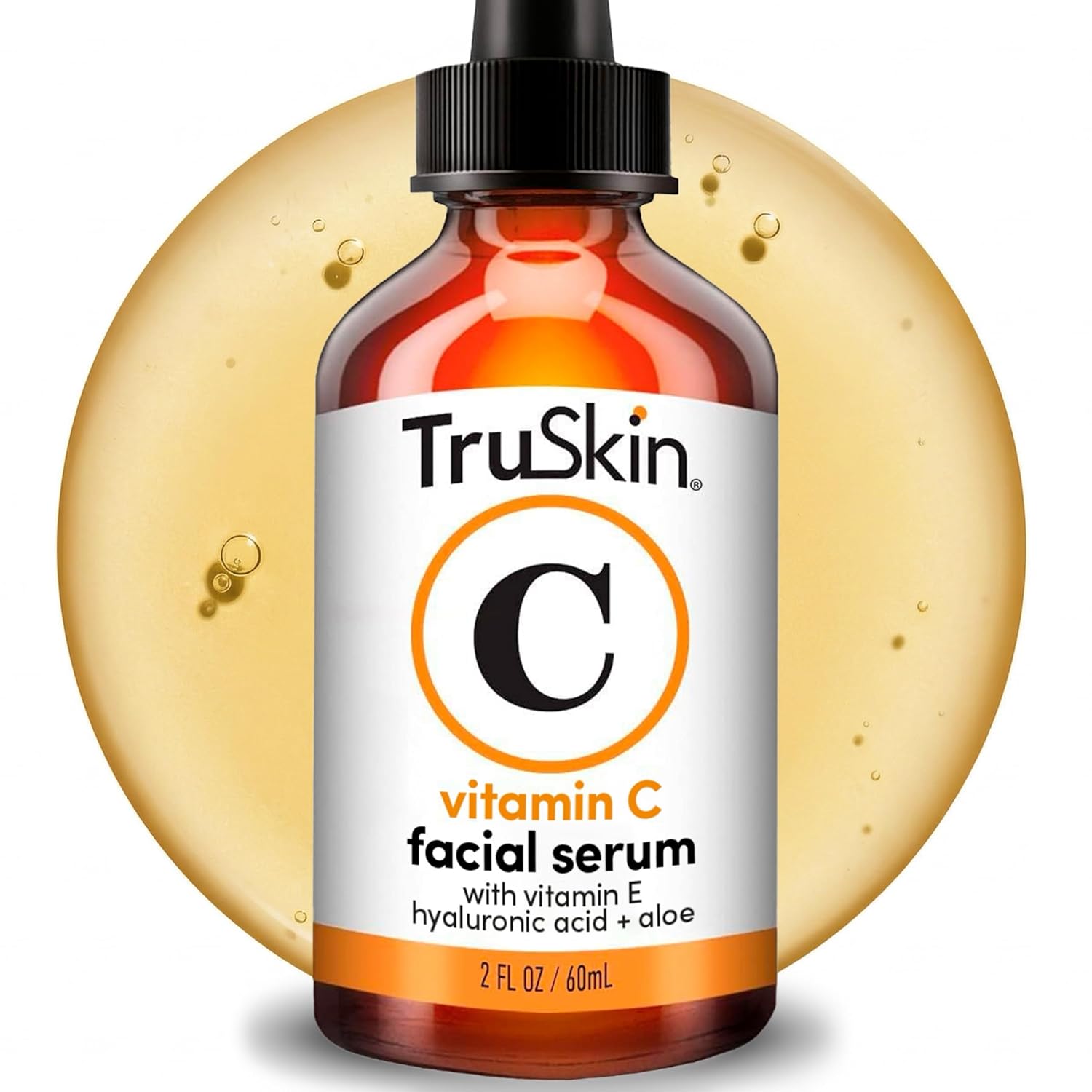 TRUSKIN | 2. EnaSkin Dark Spot Corrector Serum with 5% Tranexamic Acid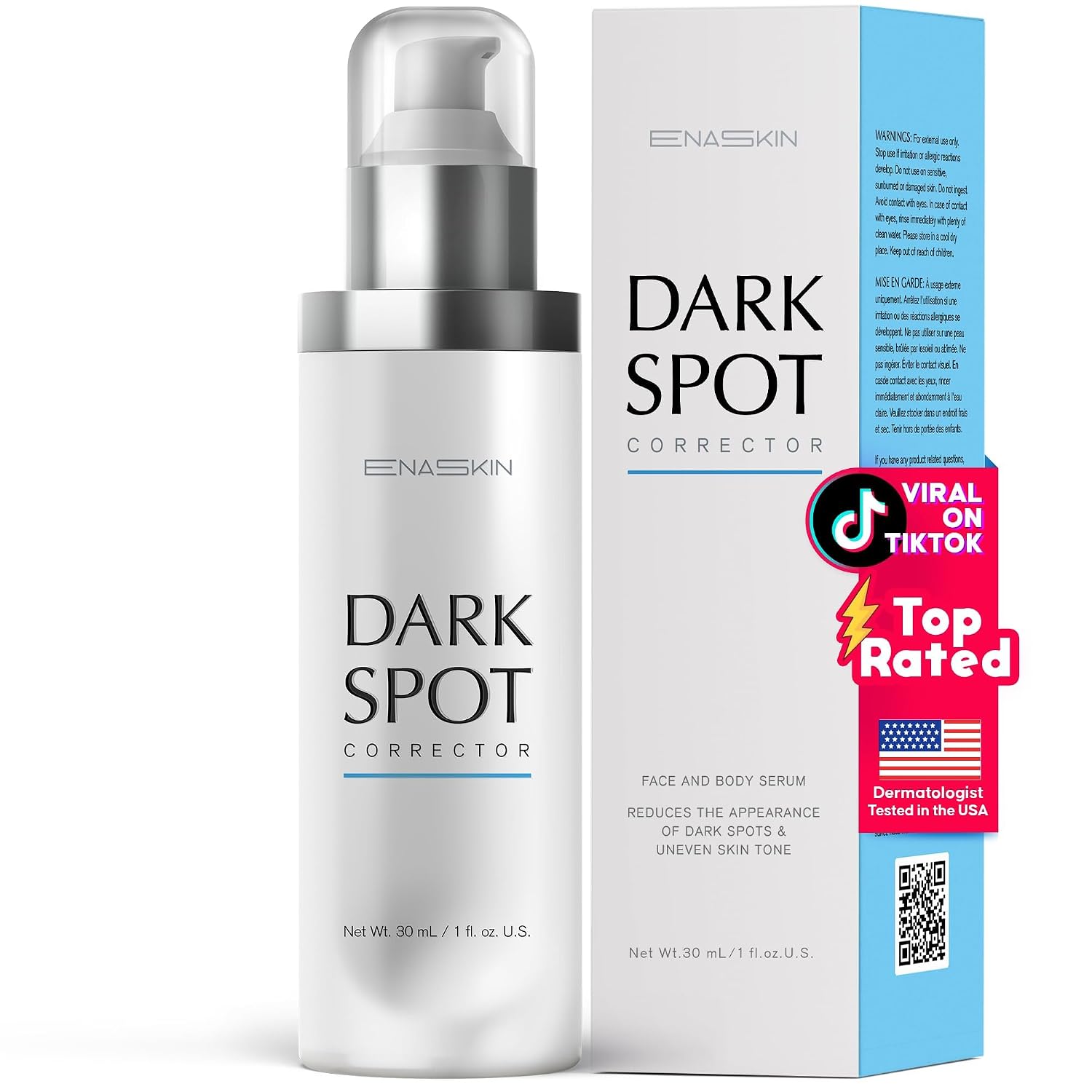 ENASKIN | 3. EnaSkin Dark Spot Corrector Cream with Alpha-Arbutin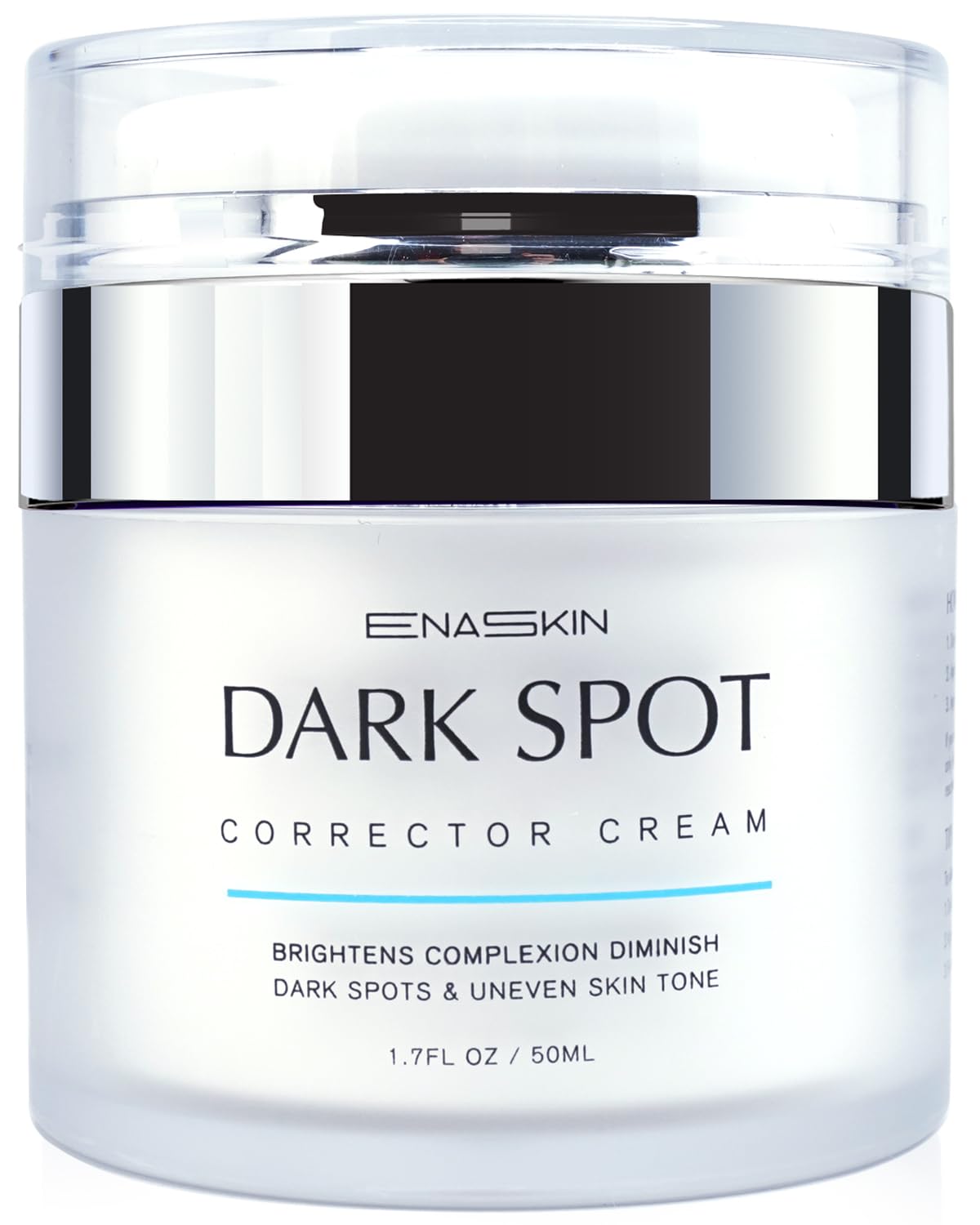 ENASKIN | 4. TruSkin Vitamin C Super Serum with Retinol and Niacinamide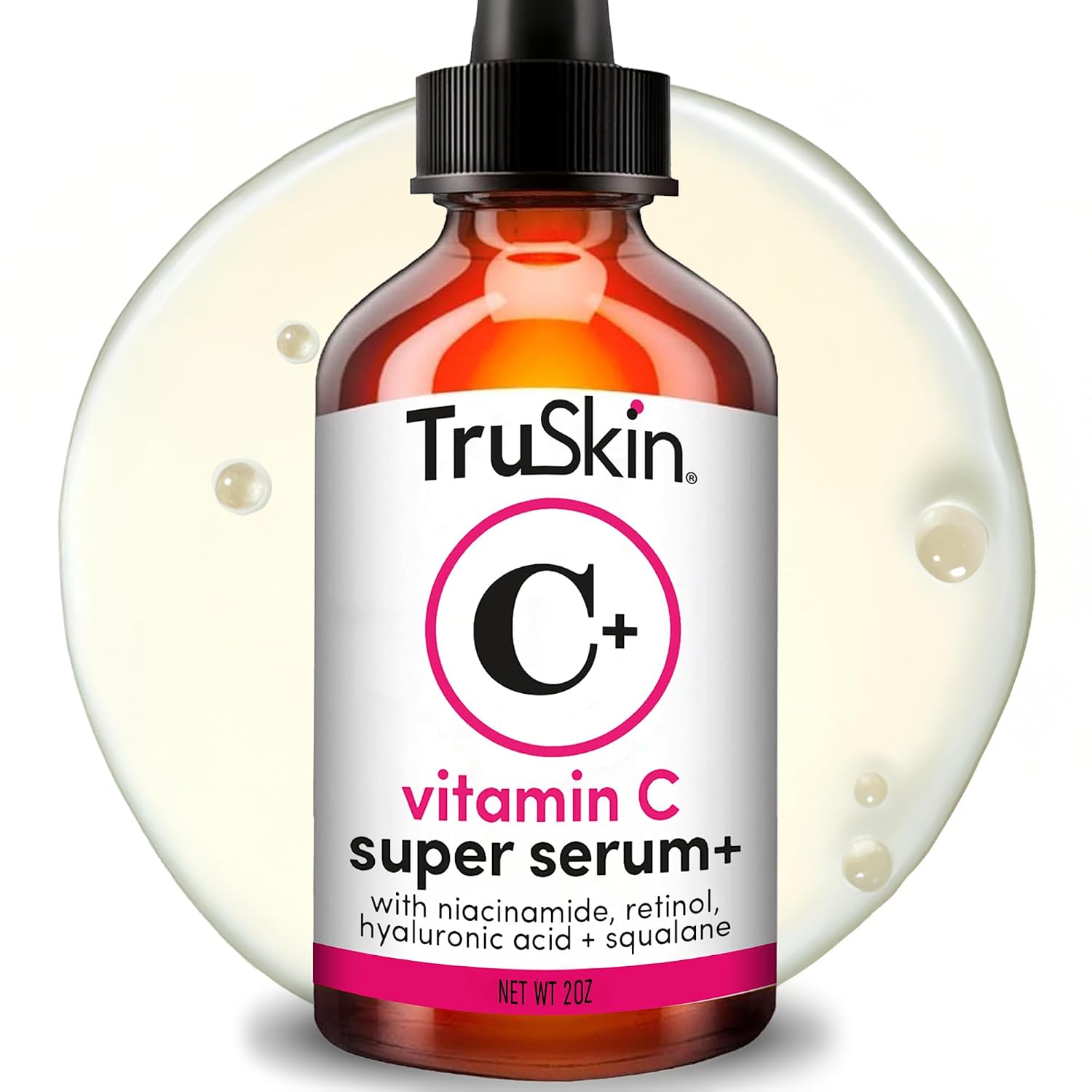 TRUSKIN | 5. Remedy Science Advanced Discoloration Correcting Serum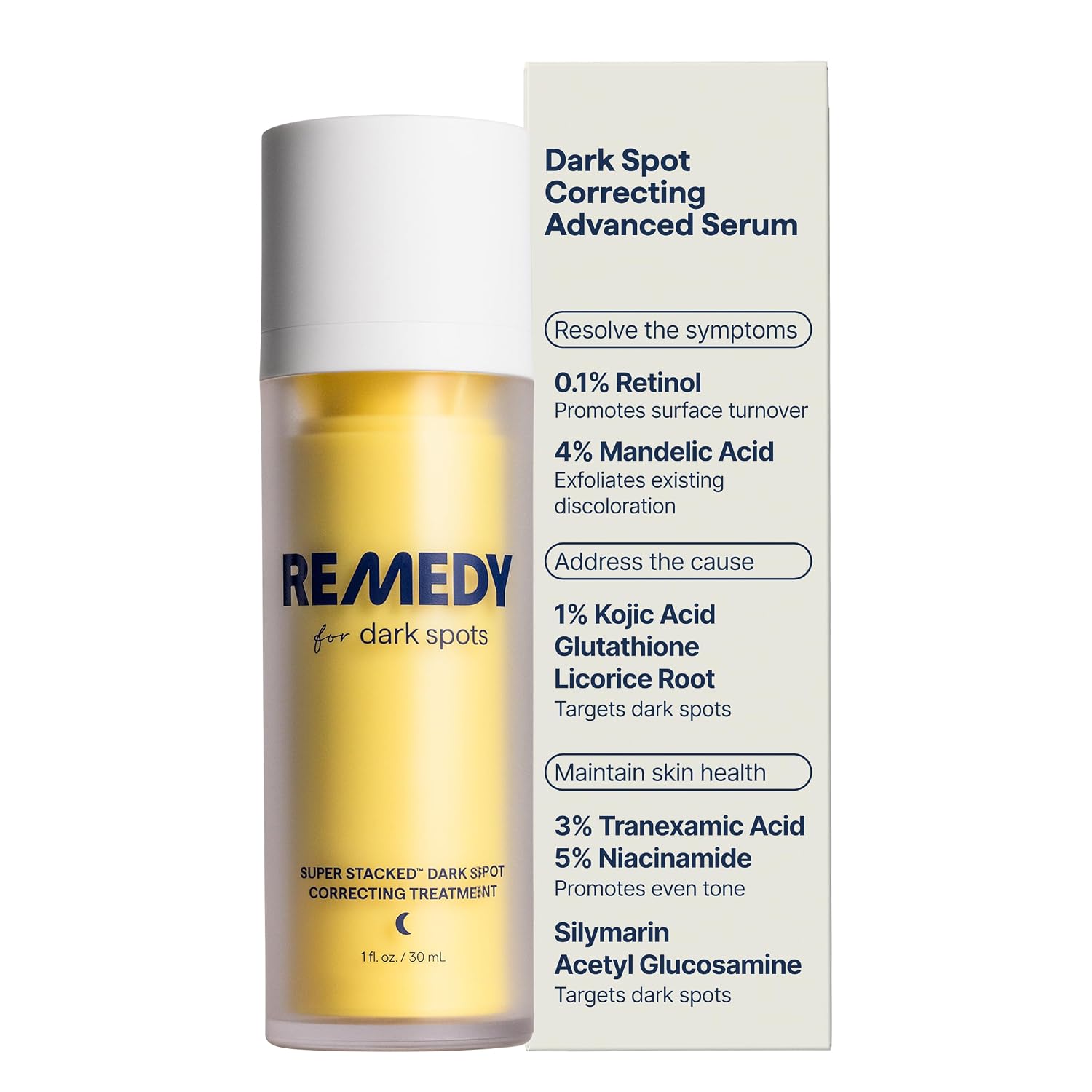 REMEDY | |
|---|---|---|---|---|---|
| Our Score | 9.8 | 9.6 | 9.5 | 9.4 | 9.2 |
| Deal | — | — | — | — | — |
| Key Actives | Vitamin C, vitamin E, hyaluronic acid | 5% tranexamic acid, 3% niacinamide, peptide | Niacinamide, alpha-arbutin, vitamin E, licorice | Vitamin C, retinol, niacinamide, HA, squalane | Retinol, kojic acid, mandelic acid, tranexamic acid |
| Format | Liquid serum | Drop serum | Cream | Liquid serum | Gel-lotion serum |
| Size / Count | 2 fl oz | Not extracted | Not extracted | 2 fl oz | 1 fl oz |
| Skin Type | All skin types | All, combination, dry, normal, oily | All, combination, dry, oily, sensitive | All skin types | All skin types |
| Best For | Daily brightening | Uneven tone and dark spots | Body and face discoloration | Multi-concern brightening | Targeted night routine |
| Routine Use | AM or PM | AM and PM per listing | After cleansing | 2-3 times weekly per listing | Nightly per listing |

How to Choose the Best Dark Spot Remover for Face
The best dark spot remover for face depends on the type of discoloration, your skin sensitivity, and how consistently you can use the product. Brightening serums and creams can improve the appearance of uneven tone, post-blemish marks, and sun-related spots over time, but cosmetic results are gradual. Daily broad-spectrum sunscreen is essential because UV exposure can darken existing marks and undermine a brightening routine.
Tranexamic Acid and Niacinamide for Uneven Tone
Tranexamic acid and niacinamide are common choices for a dark spot corrector because they are often easier to introduce than aggressive exfoliating acids. The EnaSkin serum combines 5% tranexamic acid with niacinamide and a peptide, while other products in this list add arbutin, licorice, or vitamin C. Ingredient percentages and formula stability matter, so read the full label rather than comparing one ingredient name alone.
Vitamin C Serum vs. Retinol for Dark Spots
Vitamin C serum is commonly used in the morning to support a brighter-looking complexion and antioxidant care. Retinol supports skin renewal and can be useful for uneven texture and the appearance of fine lines, but it is more likely to cause dryness or irritation when introduced too quickly. A combined vitamin C and retinol formula should be used exactly as directed, with gradual frequency and diligent sunscreen.
Kojic Acid, Arbutin, and Licorice Root
Kojic acid, alpha-arbutin, and licorice root extract are popular cosmetic brightening ingredients. They appear in targeted dark spot creams and multi-active serums in this guide. Sensitive users should patch test and avoid stacking several strong brightening or exfoliating products at once. A simpler routine used consistently is often easier to tolerate than an overloaded routine.
Choose a Texture You Will Use Consistently
A lightweight serum is easy to layer under moisturizer and sunscreen, while a cream can provide more comfort for dry skin or body areas. Toner pads offer convenience and controlled application, but the wiping action may be irritating if used too aggressively. Choose an unscented formula when fragrance sensitivity is a concern, and check whether the product is intended for face, body, or both.
Dark Spot Remover Routine and Safety Checklist
- Patch test a new dark spot remover on a small area before applying it to the full face.
- Start one active product at a time so you can identify irritation or sensitivity.
- Apply brightening serum or cream to clean, dry skin according to the product directions.
- Use moisturizer to support comfort, especially when using retinol, acids, or toner pads.
- Apply broad-spectrum SPF 30 or higher every morning and reapply when appropriate.
- Stop using a product if you experience persistent burning, swelling, blistering, or severe redness, and seek professional advice when needed.
Dark Spot Remover FAQ
There is no single best product for every person. Choose based on the likely cause of discoloration, your skin type, active ingredients, tolerance, and your willingness to use sunscreen consistently. This list includes vitamin C, tranexamic acid, niacinamide, retinol, kojic acid, arbutin, and toner-pad options.
Cosmetic brightening is gradual and varies by the type and depth of the mark. Some users notice improved radiance or texture first, while visible fading can take several weeks or longer. Follow the label and avoid increasing frequency simply because results are not immediate.
Some routines can include both, but combining multiple actives may increase irritation. Many people use vitamin C in the morning and retinol at night, introducing each gradually and following the specific product directions.
Yes. UV and visible light can worsen many forms of discoloration. Sunscreen helps protect your progress and is one of the most important parts of a dark spot routine.
Some formulas are designed to be gentle, but any active can irritate sensitive skin. Patch test, introduce slowly, avoid layering too many actives, and consult a dermatologist for persistent, changing, painful, or uncertain spots.
Get weekly top picks
Data-ranked products delivered to your inbox every week. Skip the research, get the winners.
No spam ever. Unsubscribe anytime. We respect your inbox.