Best Ear Wax Removal Kits and Ear Cleaners 2026
Compare seven ear wax removal and ear cleaner products, including electric irrigation systems, camera-guided kits and digital otoscopes. We evaluated cleaning method, pressure modes, camera connection, water resistance, included tips and safeguards to help you choose an ear wax remover for informed home ear care.
We may earn a commission from links on this page.


Top Picks Compared
1. KAUGIC Ear Cleaner with Camera and Irrigation KAUGIC | 2. KAUGIC Self-Collecting Electric Ear Flush Kit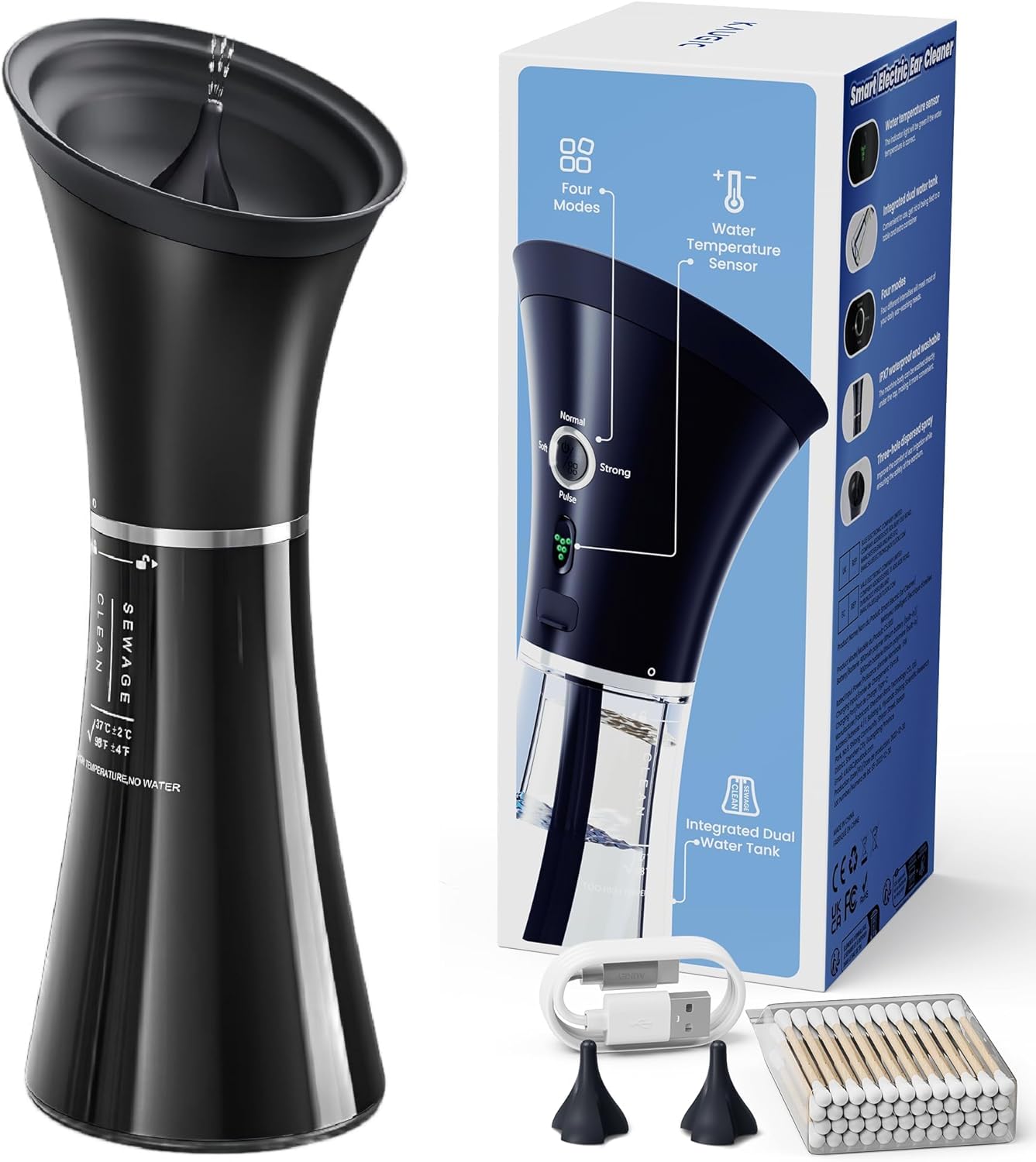 KAUGIC | 3. Renergy Electric Ear Wax Removal Kit RENERGY | 4. KAUGIC Manual Ear Cleaner with Camera KAUGIC | 5. Teslong USB-C Digital Otoscope with Light TESLONG | |
|---|---|---|---|---|---|
| Our Score | 9.4 | 9.2 | 8.9 | 8.7 | 8.6 |
| Deal | — | — | — | — | — |
| Brand / Store | KAUGIC | KAUGIC | Renergy | KAUGIC | Teslong |
| Cleaning Method | Electric irrigation + camera | Electric irrigation | Electric irrigation | Manual irrigation + camera | Visual inspection / ear pick |
| Camera | Yes | No | No | Yes | 1280 x 720, 4.3mm |
| Settings / Lights | 4 pressure modes | 4 pressure modes | 3 pressure modes | Manual pressure | 6 LEDs |
| Collection Tank | Waste collection tank | Combined clean/waste tank | Separate clean/waste tanks | Built-in collection tank | None |
| Water Resistance | IPX7 | IPX7 | IP67 | Not stated | Camera probe |
| Connection | Mobile device | Not required | Not required | Mobile device | USB-C / Micro-USB |
| Included Tips | Check listing | Check listing | 12 nozzles | 7 spoons / 3 tips | 5 picks / 3 specula |

Ear Wax Removal Kit Buying Guide
An ear wax remover should match the type of care you actually need. The products here include water-irrigation systems, camera-guided ear cleaners and digital otoscopes. None of the supplied listings is a true suction-based ear vacuum ear wax removal kit, so do not assume that an electric ear cleaner uses vacuum suction unless the manufacturer explicitly states it.
When Ear Wax Removal at Home Is Not Appropriate
Do not irrigate or insert ear cleaners when you have ear pain, drainage, bleeding, an active infection, ear tubes, a known or possible perforated eardrum, recent ear surgery, sudden hearing loss or an object in the ear. People with diabetes, immune-system conditions or previous ear problems should ask a clinician before home ear wax removal. Seek professional care when symptoms are severe, persistent or uncertain.
Electric Irrigation vs. Manual Ear Wax Removers
Electric irrigation kits provide selectable water pressure and may collect wastewater in a built-in tank. Manual irrigators give the user direct control and do not require charging. Begin with the gentlest appropriate setting and follow the exact product instructions; excessive pressure, incorrect temperature or poor nozzle placement can injure the ear canal or eardrum.
Ear Vacuum Ear Wax Removal Kit vs. Water Flushing
An ear vacuum uses suction, while the electric products in this comparison direct water into the outer ear canal and collect the runoff. These methods are not interchangeable. Suction strength and effectiveness can vary, and a device marketed as electric is not automatically a vacuum. Verify the stated mechanism before buying.
Camera Ear Cleaners and Digital Otoscopes
A camera can show the outer ear canal and help document visible wax, but consumer otoscopes are not a substitute for diagnosis. Image quality depends on lens diameter, lighting, focus and app compatibility. A protective speculum or insertion guard can reduce accidental depth, but users should never push a spoon or camera toward the eardrum.
Water Temperature, Pressure and Nozzle Design
Use only the liquid and temperature permitted by the manual. Water that is too hot or cold may cause discomfort or dizziness. Adjustable pressure modes and multi-hole nozzles can change stream concentration; more settings do not remove the need to start gently and stop immediately if pain, dizziness, nausea or hearing changes occur.
Clean and Waste Tanks
A self-collecting tank reduces splashing and makes one-hand use easier. Separate clean and waste tanks prevent used water from mixing with fresh water, while a combined reservoir can be more compact. Empty, rinse and dry every removable component after use to limit residue and microbial growth.
Phone Compatibility for Ear Cleaners with Cameras
Check connector type, operating-system version, OTG or UVC support and whether the camera uses Wi-Fi or a cable. Some models support USB-C phones but not computers, and older Lightning iPhones may need a different connection. Review app permissions and avoid uploading identifiable health images unnecessarily.
Ear Cleaners for Children
Children have smaller ear canals and may move unexpectedly. Do not rely only on a listing's family-use language; consult a pediatric clinician before irrigating a child's ear or inserting a camera or tool. Keep detachable tips and devices out of children's reach.
How to Use an Ear Wax Removal Kit More Safely
- Read every contraindication in the manual and do not proceed when pain, drainage, infection, ear tubes or eardrum damage may be present.
- Wash your hands, inspect the device and use a clean tip assigned to one person.
- If the instructions permit irrigation, use the specified solution and safe temperature range.
- Start with the lowest pressure, keep the nozzle at the canal entrance and never seal or force it deeply inside.
- Allow water to drain freely into the collection tank or basin and stop for pain, dizziness, nausea, bleeding or sudden hearing changes.
- Rinse and fully air-dry reusable tanks and tips; discard single-use parts as directed.
- Contact a healthcare professional if wax remains impacted or symptoms persist after an appropriate attempt.
Ear Wax Remover and Ear Cleaner FAQ
KAUGIC's camera-and-irrigation kit is the most complete option because it combines visual inspection, four pressure settings, temperature protection and wastewater collection. It is not appropriate for everyone, so check the contraindications first.
Not necessarily. Vacuum and irrigation use different mechanisms, and the supplied products are irrigation or camera devices rather than true suction vacuums. A clinician can recommend an appropriate method based on the wax and ear history.
They can help view the outer canal, but inserting tools too deeply can scratch the canal or damage the eardrum. Use an insertion guard, avoid force and stop if there is pain or resistance.
Do not irrigate a known or suspected perforated eardrum unless a qualified clinician specifically directs you. Ear tubes, recent surgery, drainage and infection are also reasons to seek medical guidance.
They can push wax deeper, scratch the canal or injure the eardrum. Clean only the outside of the ear unless a healthcare professional recommends another method.
No. Wax can sometimes reduce hearing, but hearing loss has many causes. Sudden or persistent hearing changes require prompt professional evaluation rather than repeated home cleaning.
Get weekly top picks
Data-ranked products delivered to your inbox every week. Skip the research, get the winners.
No spam ever. Unsubscribe anytime. We respect your inbox.