Best Hair Styling Tools
Compare hair crimpers, thermal brushes, straightening brushes, dryer brushes, and multi-styler systems for waves, curls, smooth finishes, root lift, and everyday blowouts. These picks emphasize adjustable heat, versatile attachments, frizz control, and manageable styling time.
We may earn a commission from links on this page.


Top Picks Compared
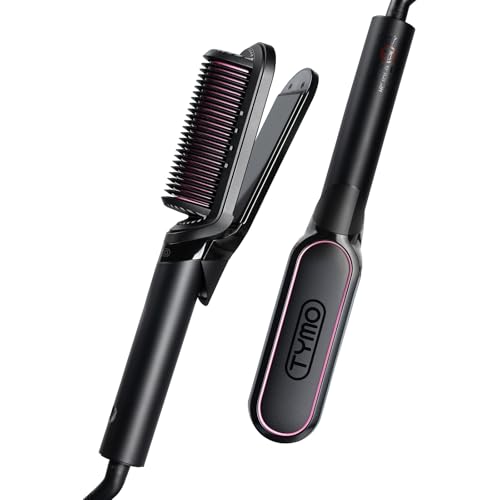
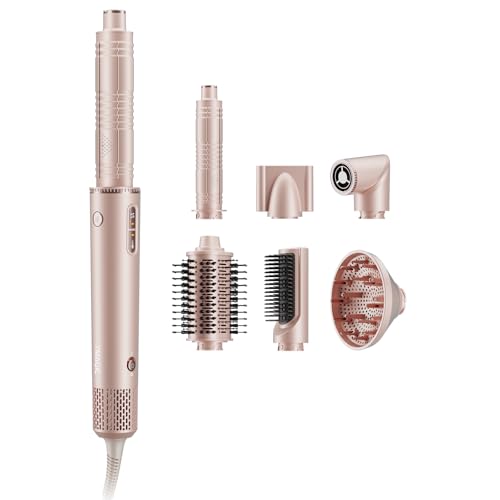
1. Power Wave Hair Crimper POWER | 2. Wavytalk Ionic Thermal Brush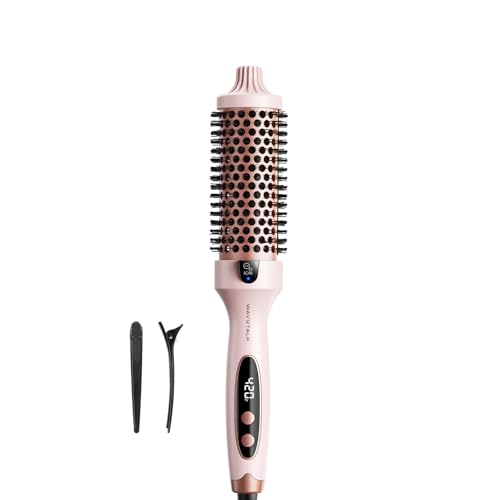 WAVYTALK | 3. Wavytalk Pro Steam Straightening Brush WAVYTALK | 4. Ionic Volumizing Hair Dryer Brush IONIC | 5. 4-in-1 Ionic Hair Styler Brush 4-IN-1 | |
|---|---|---|---|---|---|
| Our Score | 10 | 9.9 | 9.8 | 9.7 | 9.6 |
| Deal | — | — | — | — | — |
| Tool Type | Crimper | Thermal brush | Straightening brush | Dryer brush | 4-in-1 dryer brush |
| Heat Settings | Adjustable | 5 settings | ~30s heat-up | 3 heat, 2 speed | Multi |
| Technology | Negative-ion vents | Ionic + LED display | Hydro-Infusion steam | Ionic, 60mm oval | Titanium + ionic |
| Attachments | Single | Round brush | Steam | Oval barrel | 4 attachments |
| Wet / Dry | Dry | Dry | Dry | Damp | Damp |
| Best For | Defined waves & texture | Smooth volume | Steam straightening | Root lift blowouts | Multi-style drying |

Hair Styling Tool Buying Guide
The right styling tool depends on the result you want, your hair texture and length, how often you style, and whether you begin with wet, damp, or dry hair. A dryer brush is designed to dry and shape damp hair, while thermal brushes, crimpers, and most straightening brushes are intended for dry hair unless the manufacturer explicitly states otherwise.
Before comparing accessories or headline temperatures, decide whether your priority is a smooth blowout, defined waves, straightening, curls, root volume, or one tool that can perform several jobs. A specialized tool is often simpler and more consistent for one style, while a multi-styler saves storage space and gives more flexibility.
Choosing the Right Tool Type
- Crimpers and wave irons create repeated texture quickly, but plate depth and barrel shape determine whether the result looks like tight crimps or loose waves.
- Thermal brushes smooth and shape dry hair while maintaining more volume than a flat iron. Barrel diameter affects curl size and suitability for shorter hair.
- Straightening brushes cover larger sections and can feel easier to handle than flat irons, though very tight curls may require smaller sections or multiple passes.
- Dryer brushes combine airflow and brushing for damp hair, making them useful for blowouts and root lift without managing a separate dryer and round brush.
- Multi-stylers provide interchangeable dryers, brushes, and curling barrels. Compare the attachments you will actually use rather than choosing only by attachment count.
Heat Control and Hair Type
Adjustable temperature is more useful than a single high-heat setting because different hair types and styling tasks need different levels. Fine, fragile, bleached, or chemically treated hair generally benefits from lower settings. Thick or coarse hair may need more heat, but the lowest setting that produces the result with minimal passes is usually the better starting point.
- Use heat protectant as directed and avoid repeatedly passing a hot tool over the same section.
- Do not use a dry-only heated tool on wet hair; trapped moisture can increase damage and produce uneven results.
- Look for clear temperature indicators, fast but controlled heating, even heat distribution, and an automatic shutoff.
- Ionic claims may help reduce static and improve the appearance of smoothness, but technique, conditioning, humidity, and hair health still affect frizz.
- Steam tools require the specified water type, correct reservoir care, and regular cleaning to prevent mineral buildup.
Ergonomics, Safety, and Maintenance
Weight, handle diameter, button placement, cord length, swivel movement, barrel size, and attachment locking can determine whether a tool remains comfortable through a full styling session. For dryer brushes and multi-stylers, also compare motor noise, filter access, airflow settings, and whether attachments become too hot to remove immediately.
- Choose anti-scald tips, cool-touch areas, stable stands, insulated storage, and automatic shutoff when available.
- Clean hair, lint, and product residue from vents, bristles, plates, and removable filters after the tool cools and is unplugged.
- Check voltage compatibility before travel; a plug adapter does not convert voltage unless the tool itself supports dual voltage.
- Store the cord loosely rather than wrapping it tightly around the hot tool, which can strain the cord connection over time.
FAQ
Only if the manufacturer specifically describes it as a wet-to-dry or dryer brush. Most thermal and straightening brushes are intended for completely dry hair.
Start with the lowest setting that can produce the desired result. Fine, damaged, or chemically treated hair generally needs less heat than thick or coarse hair, and individual needs vary.
A dryer brush blows heated air to dry and shape damp hair. A thermal brush heats its barrel or bristles and is usually used on dry hair for smoothing, volume, waves, or curls.
No. Ionic technology may reduce static and help hair appear smoother, but temperature, styling time, repeated passes, and hair condition remain the main heat-damage considerations.
Remove visible hair and product residue regularly, and clean vents or filters at the interval specified in the manual. Always unplug the tool and let it cool before cleaning.
Get weekly top picks
Data-ranked products delivered to your inbox every week. Skip the research, get the winners.
No spam ever. Unsubscribe anytime. We respect your inbox.