Best Protein Powders 2026
Compare the best protein powders for strength training, muscle gain, recovery, smoothies, and everyday protein intake. This guide evaluates whey source, protein per serving, flavor, serving count, ingredient simplicity, dietary claims, and third-party certification.
We may earn a commission from links on this page.

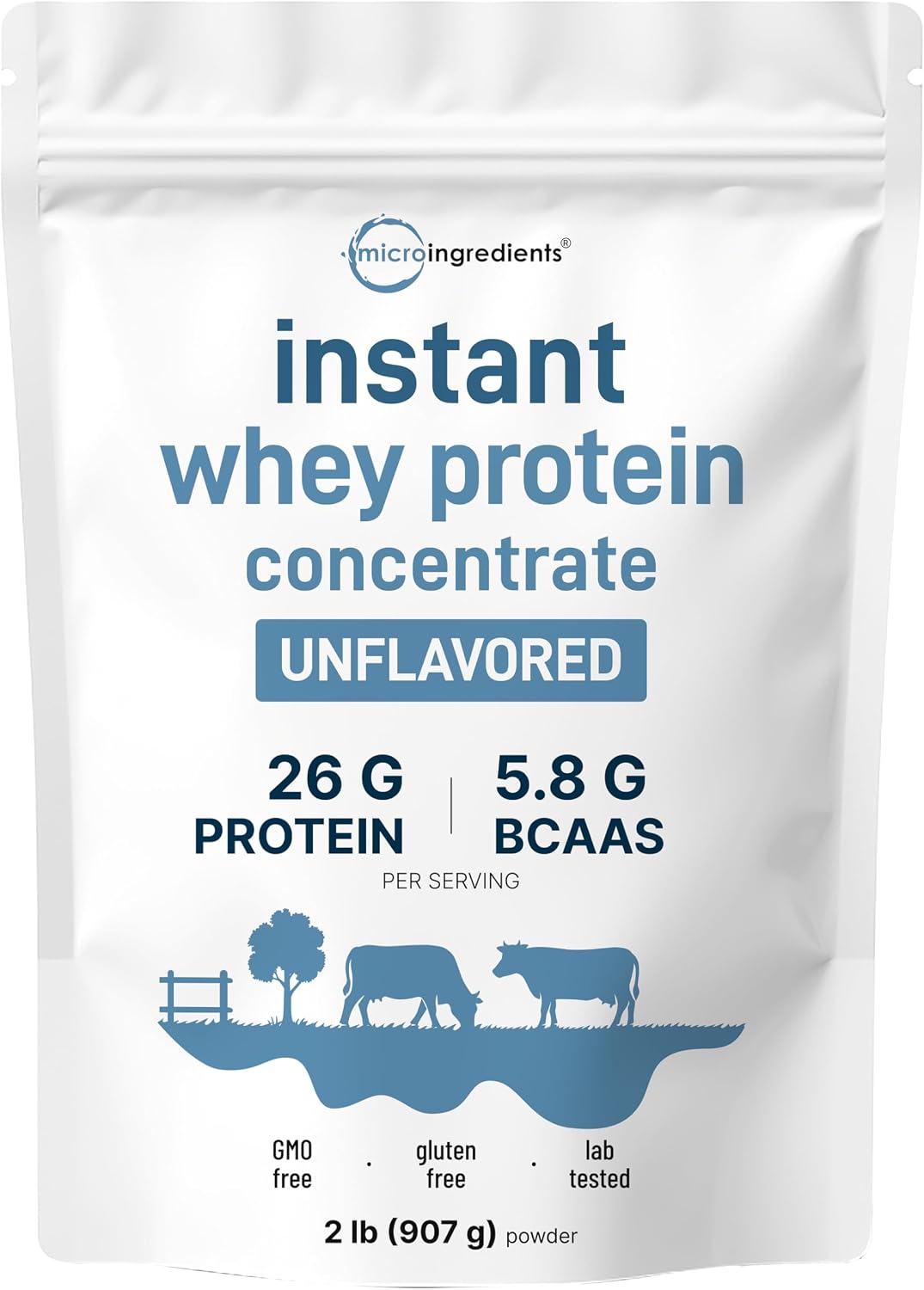
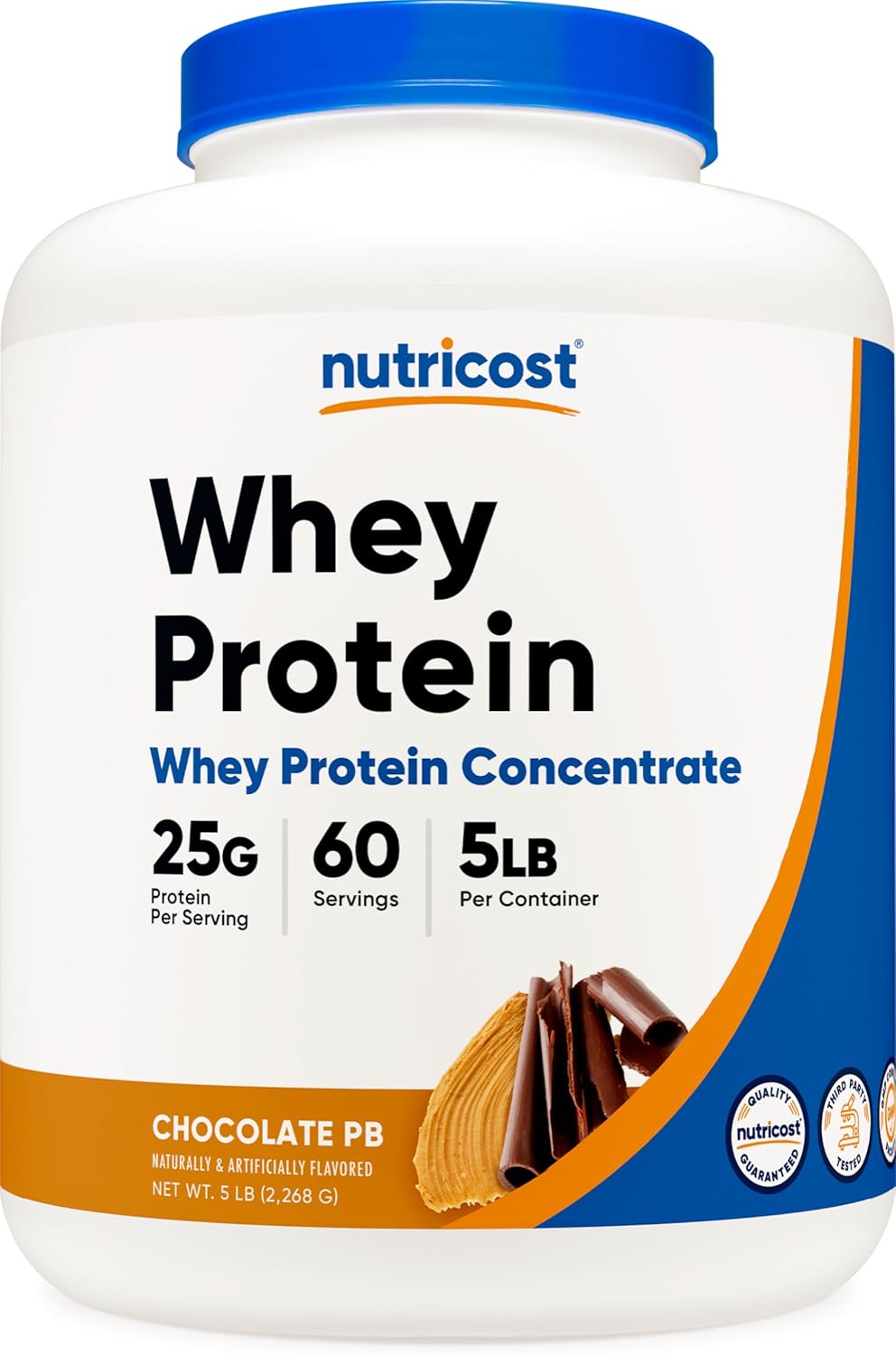
Top Picks Compared
1. Sports Research Whey Protein Isolate - Dutch Chocolate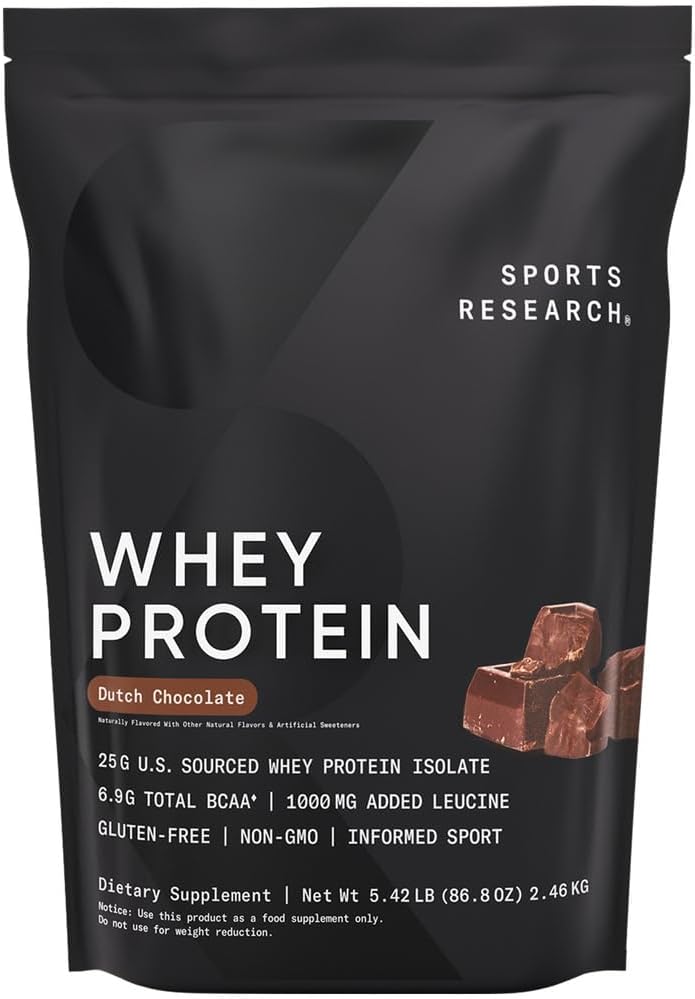 SPORTS | 2. NAKED Whey 100% Grass-Fed Whey Protein Powder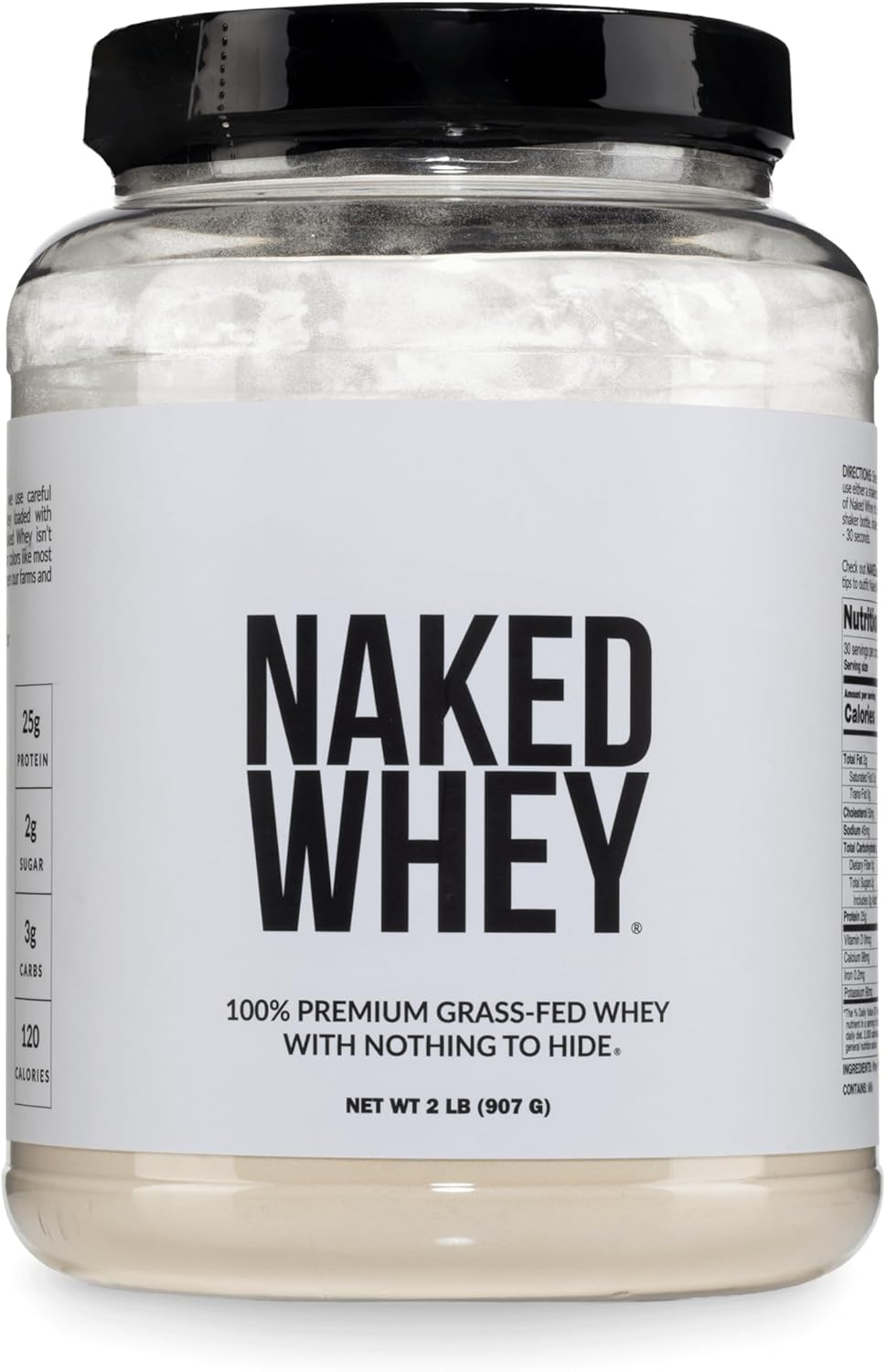 NAKED | 3. Nutricost Isolate Whey Protein Powder - Vanilla, 5 lb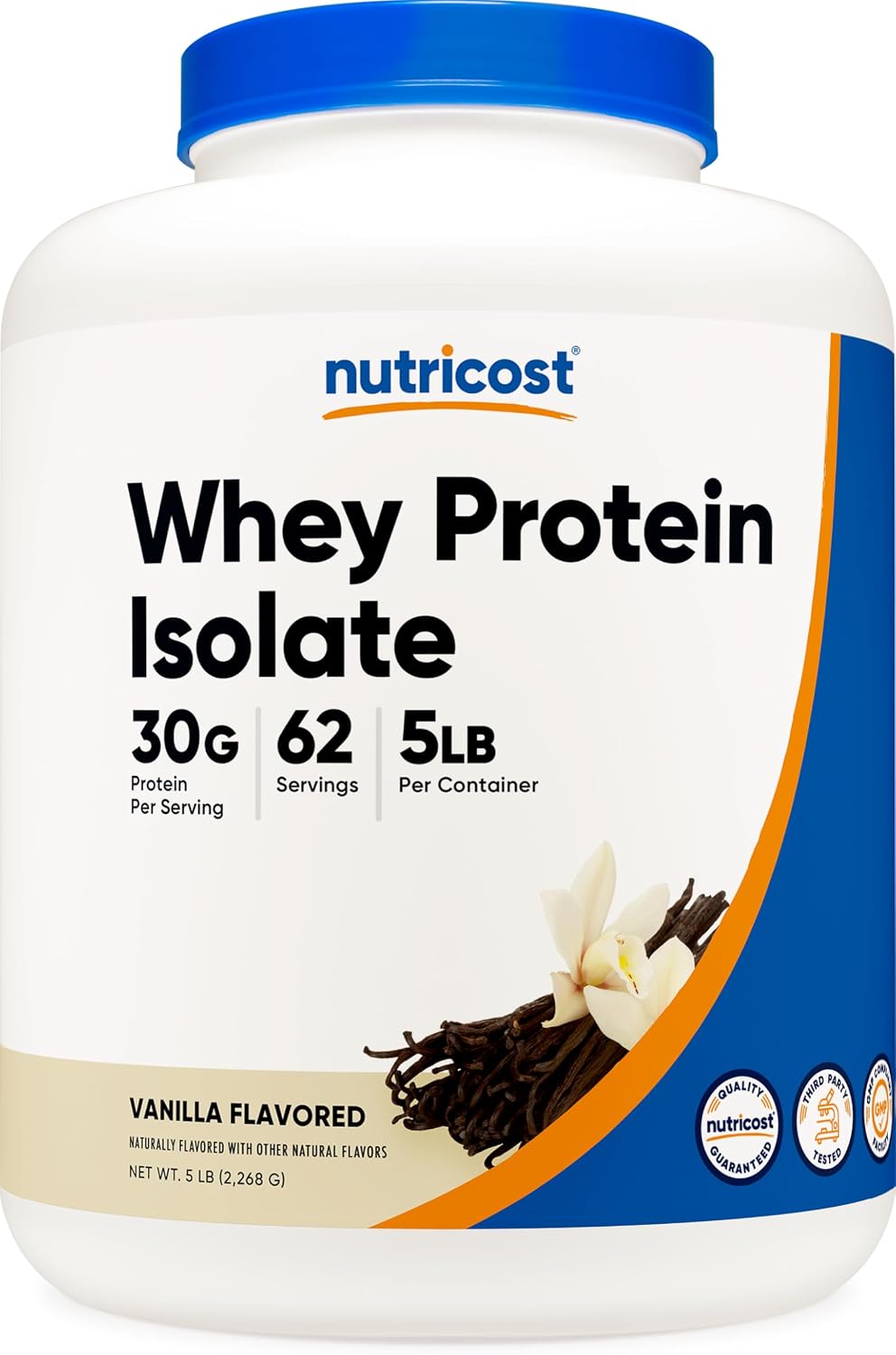 NUTRICOST | 4. Nutricost Grass-Fed Whey Protein Isolate - Unflavored, 5 lb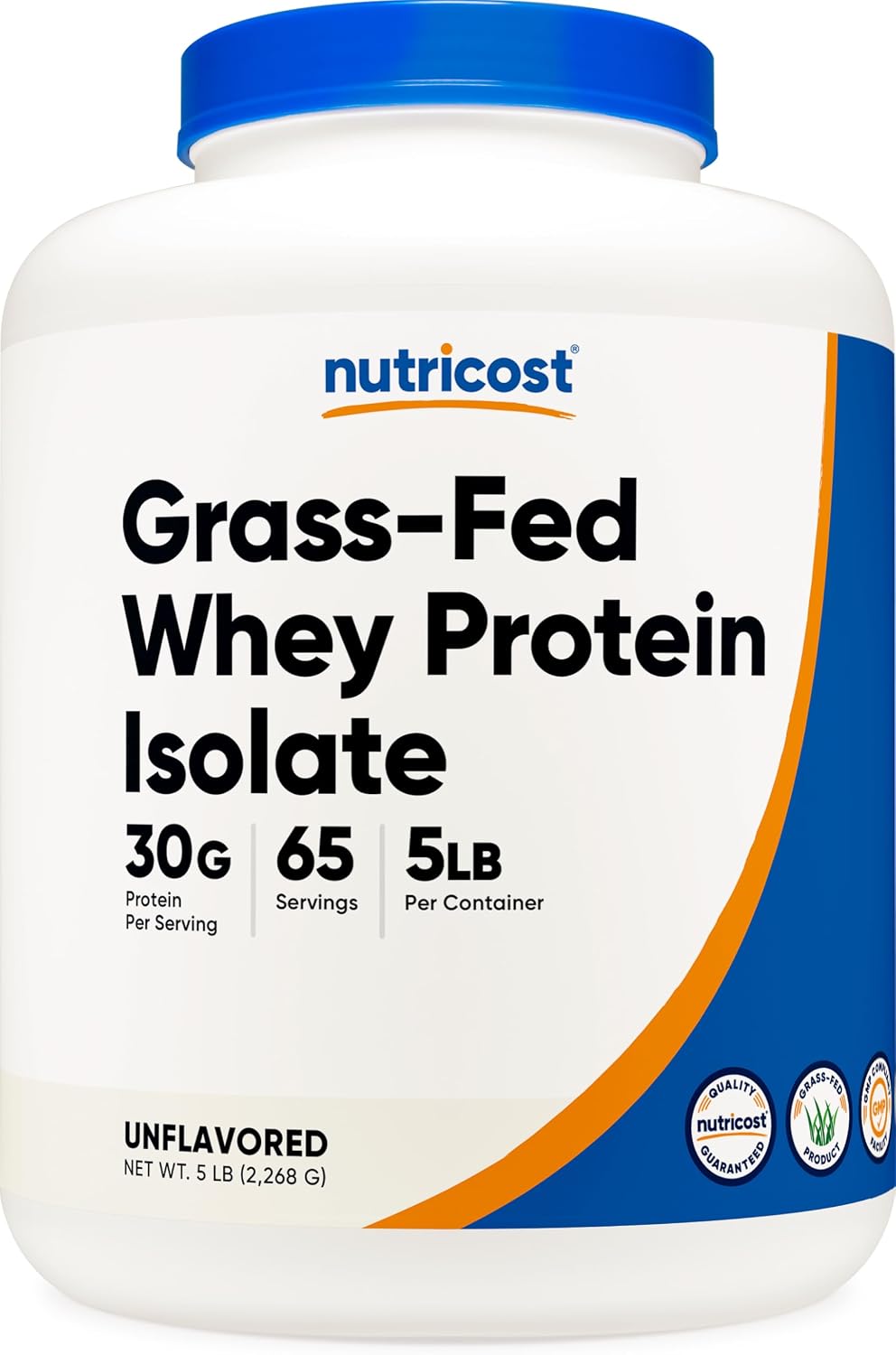 NUTRICOST | 5. LEGION Whey+ Grass-Fed Whey Protein Isolate - Chocolate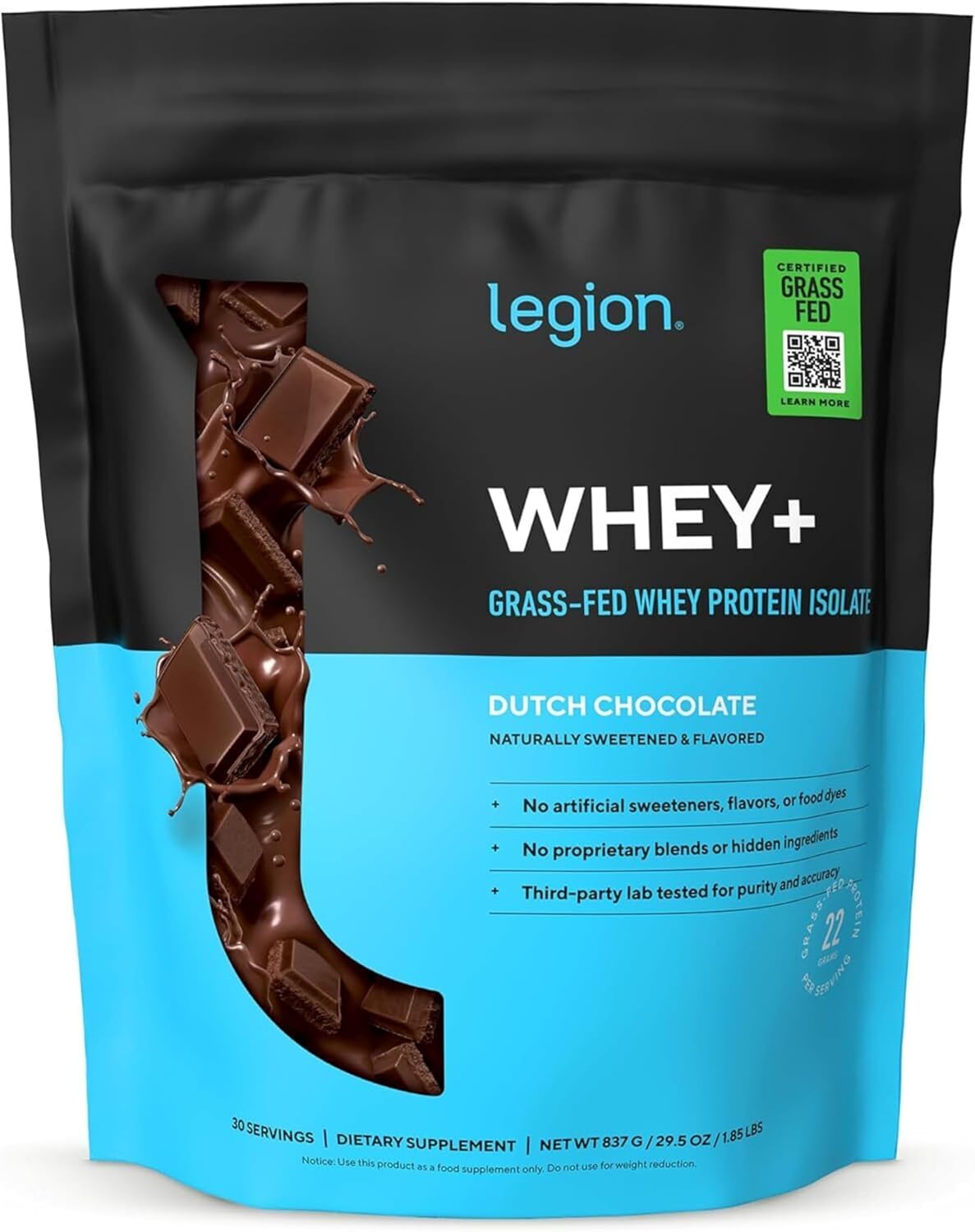 LEGION | |
|---|---|---|---|---|---|
| Our Score | 9.7 | 9.5 | 9.2 | 9.1 | 9 |
| Deal | — | — | — | — | — |
| Protein Type | Whey isolate | Grass-fed whey | Whey isolate | Grass-fed whey isolate | Grass-fed whey isolate |
| Protein per Serving | 25g | 25g | Check current label | Check current label | 22g |
| Flavor | Dutch Chocolate | Unflavored | Vanilla | Unflavored | Chocolate |
| Servings | 60 | Check current label | 62 | Check current label | 30 |
| Dietary Claims | Gluten-free, soy-free | Gluten-free, soy-free, non-GMO | Gluten-free, rBGH-free | Vegetarian, gluten-free, GMO-free | Lactose-free, gluten-free, non-GMO |
| Testing / Certification | Informed Sport, NSF | NSF Certified | Not extracted | Not extracted | Check current label |

Best Protein Powder Buying Guide
The best protein powder is one that helps you meet your total daily protein needs, fits your digestion and dietary preferences, and is easy to use consistently. Start with food quality and overall diet, then compare protein type, grams per serving, calories, ingredients, flavor, cost per serving, and independent testing. A protein powder is a convenient supplement, not a replacement for a varied diet.
Whey Protein Isolate vs. Whey Concentrate
Whey protein powder contains a complete amino acid profile. Whey isolate is processed to remove more fat, carbohydrate, and lactose, so it often provides a higher percentage of protein by weight and may suit people who tolerate small amounts of lactose. Whey concentrate is usually less processed and often costs less, but it can contain more lactose and calories. Anyone with a milk allergy should avoid whey rather than relying on isolate claims.
What Is a Good Protein Powder for Muscle Gain?
A good protein powder for muscle gain should provide a meaningful serving of complete protein, fit your calorie target, and support consistent resistance training. Many people choose roughly 20 to 30 grams per serving, but individual needs depend on body size, training, age, total diet, and professional guidance. Protein powder does not build muscle by itself; adequate calories, progressive training, recovery, and total daily protein matter more than brand claims.
Check Protein, Calories, Sugar, and Serving Size
Read the Nutrition Facts panel rather than relying only on the front label. Compare protein per serving with total calories, carbohydrates, fat, added sugar, sodium, and the number of scoops required. A product that lists 26 grams of protein across three scoops is not directly comparable to one that provides 25 grams in a single scoop. Recheck the current label because formulas and serving sizes can change.
Ingredients, Sweeteners, and Flavor
Unflavored protein powder offers more control over sweetness and works well in smoothies, oatmeal, coffee, and baking. Flavored powders are convenient but may contain cocoa, natural or artificial flavors, gums, lecithin, sugar, or high-intensity sweeteners. Choose according to taste, digestion, and dietary needs rather than assuming a shorter ingredient list is automatically better for everyone.
Third-Party Testing and Sports Certification
Independent certification can help verify label accuracy or screen for prohibited substances, although certifications differ in scope. Competitive athletes should look for programs designed for sport, such as NSF Certified for Sport or Informed Sport, and confirm the exact product and lot where possible. General phrases such as third-party tested do not always disclose the laboratory, test panel, or acceptance limits.
Are Protein Drinks Good for You?
Protein drinks can be useful when they fill a genuine nutrition gap, offer a convenient post-workout option, or help someone reach an appropriate protein target. They are not automatically healthier than food and may add unnecessary calories, sweeteners, or allergens when total protein intake is already sufficient. People with kidney disease, liver disease, metabolic conditions, pregnancy-related concerns, allergies, or medication interactions should ask a qualified clinician or registered dietitian before substantially changing supplement intake.
How to Choose Among the Best Protein Powders
- Choose whey isolate when higher protein concentration or lower lactose is a priority, while remembering that whey still contains milk proteins.
- Choose whey concentrate when value and flavor matter and you tolerate dairy well.
- Compare protein and calories using the same serving basis, not only the scoop count.
- Review allergens, sweeteners, dietary claims, and current Nutrition Facts before purchase.
- Look for transparent third-party certification if you are a tested athlete or prioritize independent verification.
- Calculate cost per serving and container yield rather than comparing package price alone.
- Use protein powder alongside balanced meals, sufficient fluids, resistance training, and recovery.
Protein Powder FAQ
A beginner should prioritize a product with clear labeling, a tolerable flavor, an appropriate protein serving, and ingredients that fit allergies and dietary needs. Whey concentrate can offer value, while whey isolate may provide more protein with less lactose.
Whey provides complete protein and essential amino acids, making it a convenient way to support an adequate protein intake. Muscle gain still requires progressive resistance training, sufficient total calories, recovery, and an appropriate overall diet.
Timing is flexible for most people. A shake after training can be convenient, but total daily protein and consistent distribution across meals generally matter more than consuming it within a very short window.
Many healthy adults use protein powder regularly, but the appropriate amount depends on total diet and health status. Follow serving directions and seek professional advice if you have medical conditions, take medications, or are pregnant or breastfeeding.
Yes. Check the best-by date, keep the container sealed and dry, use a clean scoop, and discard powder with unusual odor, moisture, discoloration, or damaged packaging.
Get weekly top picks
Data-ranked products delivered to your inbox every week. Skip the research, get the winners.
No spam ever. Unsubscribe anytime. We respect your inbox.