Best Reverse Osmosis Systems 2026
Compare the best reverse osmosis systems for under-sink and countertop water filtration. We evaluate filtration stages, certified performance, GPD capacity, pure-to-drain ratio, installation, remineralization, smart monitoring, and long-term filter costs.
We may earn a commission from links on this page.


Top Picks Compared
1. Waterdrop G3P600 Reverse Osmosis System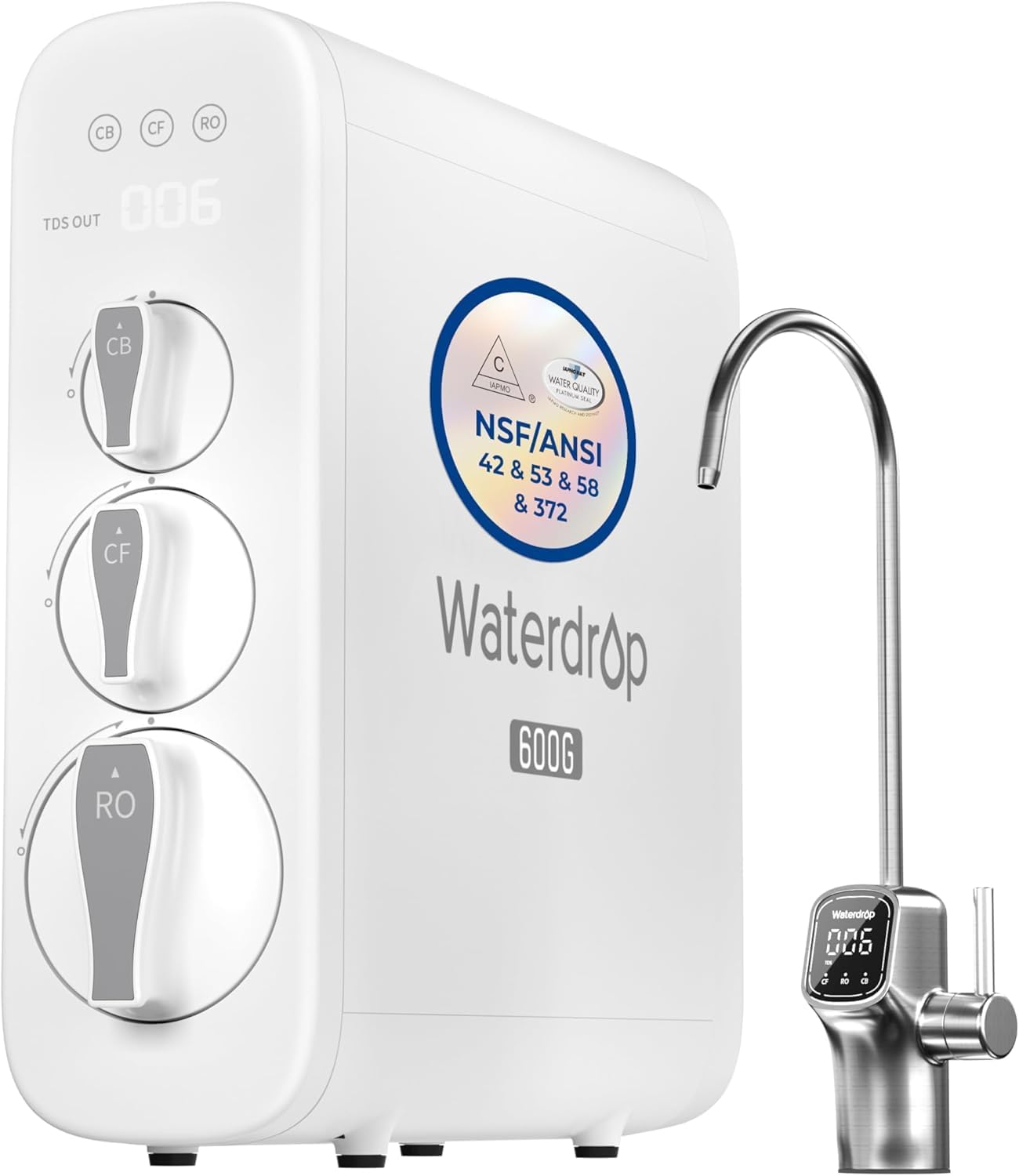 WATERDROP | 2. Waterdrop G3P800 Reverse Osmosis Water Filter WATERDROP | 3. Waterdrop G2P600 Under Sink RO System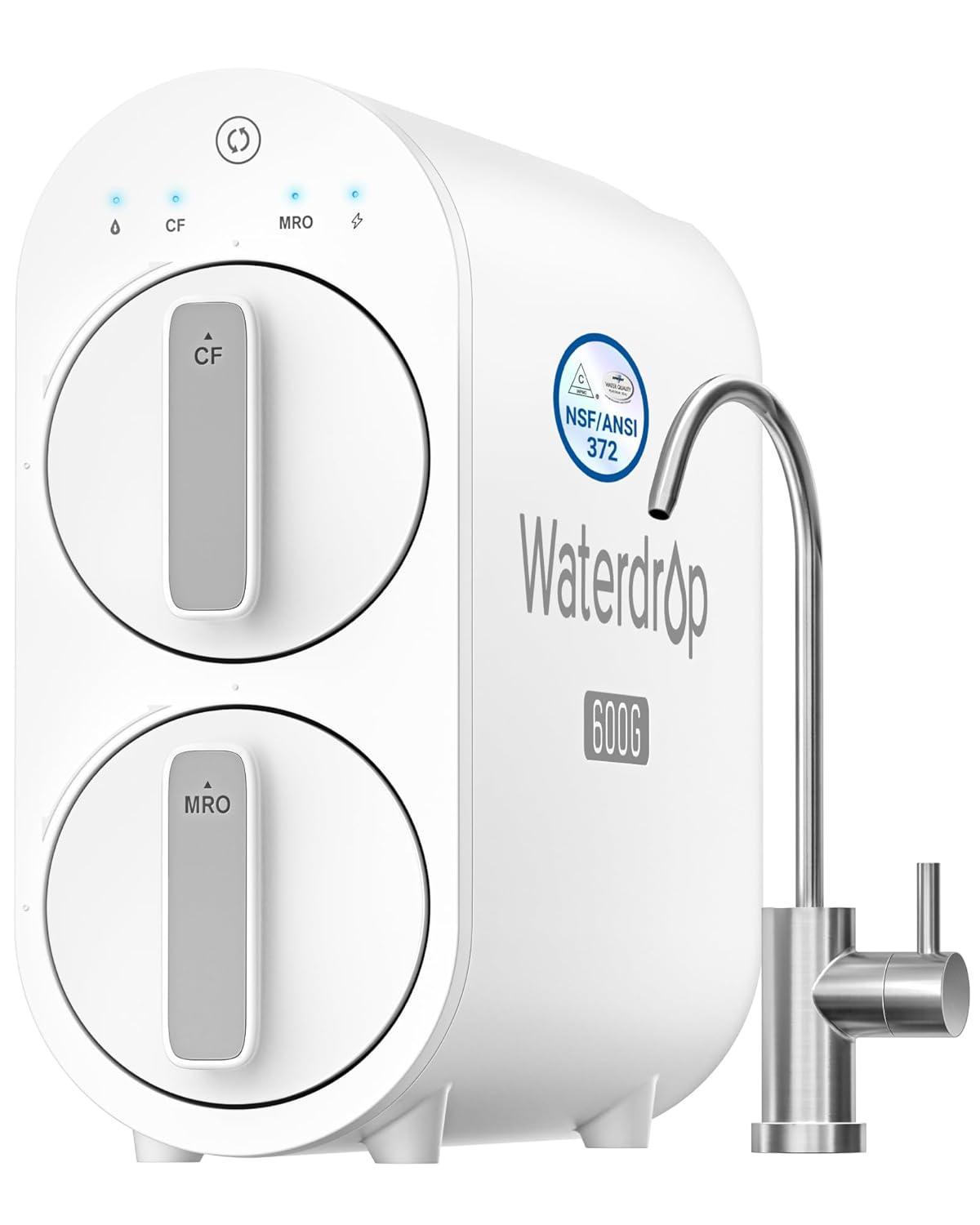 WATERDROP | 4. Frizzlife PD600-TAM3 Reverse Osmosis Water Filter FRIZZLIFE | 5. Waterdrop KJ600 Instant Hot Reverse Osmosis System WATERDROP | |
|---|---|---|---|---|---|
| Our Score | 9.8 | 9.7 | 9.6 | 9.5 | 9.4 |
| Deal | — | — | — | — | — |
| Installation | Under-sink (electric) | Under-sink (electric) | Under-sink (electric) | Under-sink (electric) | Under-sink (electric) |
| Stages | 8-stage | 10-stage | 7-stage | 600 GPD + TAM3 | 5-stage |
| GPD | 600 GPD | 800 GPD | 600 GPD | 600 GPD | 600 GPD |
| Pure:Drain | 2:1 | 3:1 | 2:1 | 2:1 | 2:1 |
| Smart Display | TDS + filter life | Smart LED faucet | Filter-life indicator | TDS + filter display | TDS + temp + filter |
| Best For | Overall flagship pick | High-capacity household | Compact tankless | Remineralization/alkaline | Instant hot water |

Reverse Osmosis System Buying Guide
Choosing the best reverse osmosis system starts with the water entering your home, the contaminants you want to reduce, available installation space, and daily demand. A larger stage count or higher GPD number is not automatically better. Compare certified contaminant-reduction claims for the exact model, membrane performance, flow rate, wastewater, replacement-filter cost, and whether the household can maintain the system on schedule. Municipal-water users should review the local water-quality report, while private-well owners should order appropriate laboratory testing and determine whether sediment, iron, hardness, sulfur, or microorganisms require pretreatment.
Under-Sink vs Countertop Reverse Osmosis Systems
An under-sink RO system connects to the cold-water supply and drain, then sends treated water to a dedicated faucet. It keeps the counter clear and can serve a family continuously, but installation may involve drilling, tubing, a drain saddle, and an electrical outlet. A countertop reverse osmosis system is easier for renters or kitchens where plumbing changes are impractical. Countertop units require manual filling and reservoir cleaning, take up worktop space, and usually produce smaller batches, but they can move with the user and avoid permanent modification.
Tankless vs Tank-Based RO Water Filters
A tankless reverse osmosis system filters water on demand with a powered pump, creating a compact footprint and fresher flow without a storage tank. It generally offers higher output but stops during a power outage and needs a nearby outlet. A tank-based reverse osmosis water filter produces water more slowly and stores it under pressure, so stated tank volume and usable volume are not the same. Traditional systems can be practical where electricity is unavailable, although tanks occupy cabinet space and require periodic sanitation and pressure checks.
Reverse Osmosis Filtration Stages and Certifications
Typical RO water filtration uses sediment and carbon prefilters to protect the membrane, a reverse osmosis membrane for dissolved-solids reduction, and a post-carbon filter for taste. Extra stages may add UV treatment, remineralization, or another carbon layer, but stage count alone does not establish performance. Look for independent certification tied to the exact model and claim: NSF/ANSI 58 relates to reverse osmosis systems, NSF/ANSI 42 covers aesthetic effects, NSF/ANSI 53 addresses specified health effects, and NSF/ANSI 372 concerns lead content in materials. Verify the certification directory because wording such as tested to a standard is not always the same as certified.
GPD Capacity and Real-World Water Flow
Gallons per day, or GPD, expresses membrane production under defined test conditions rather than guaranteed household output. Feed-water pressure, temperature, dissolved-solids level, membrane age, and plumbing all affect real flow. A 600 or 800 GPD tankless reverse osmosis system can be useful for large families, cooking, and frequent bottle filling, while a 100 GPD tank-based system may still meet ordinary drinking needs by replenishing its reservoir between uses. Compare the manufacturer's dispensing-flow specification as well as GPD when fast filling matters.
Pure-to-Drain Ratio and RO Wastewater
Reverse osmosis sends a concentrate stream to the drain to carry rejected material away from the membrane. A 2:1 pure-to-drain ratio means the system is rated to make two parts treated water for each part discharged; a 3:1 ratio is more efficient under the stated conditions. Actual wastewater varies with pressure, temperature, feed-water chemistry, maintenance, and flushing cycles. Do not reduce or block the drain flow outside manufacturer instructions, because inadequate flushing can shorten membrane life and compromise performance.
Remineralization and Alkaline RO Systems
Reverse osmosis reduces many dissolved minerals along with unwanted substances. A remineralization cartridge can add calcium or other minerals after the membrane and may alter taste and pH. An alkaline label does not demonstrate a health benefit, and cartridge results depend on flow, contact time, and feed-water chemistry. Buyers who prefer a mineral profile should compare replacement availability and verify what the stage adds rather than relying only on a target pH claim.
Smart Faucets, TDS Displays, and Filter Monitoring
A smart faucet can show total dissolved solids, filter-life estimates, temperature, or fault alerts at the point of use. These indicators make maintenance easier, but a TDS reading alone does not prove that water is microbiologically or chemically safe. TDS does not identify individual contaminants, and low readings can coexist with substances that require targeted testing. Treat the display as an operating indicator, follow the replacement schedule, and investigate unexpected changes with appropriate water analysis.
Installation, Electricity, and Plumbing Requirements
Before buying an under-sink RO system, measure the cabinet, locate a grounded outlet if the unit is powered, confirm feed-water pressure, and inspect the faucet, drain, and shutoff valve. Follow the manual and local plumbing and electrical rules, use approved tubing, and check every connection for leaks after installation. Hot-water reverse osmosis systems need additional care around temperature settings, child locks, and scald prevention. If drilling stone counters, modifying shared plumbing, or handling an unsuitable drain is outside your experience, use a qualified installer.
Replacement Filters and Long-Term RO System Cost
The purchase price is only part of reverse osmosis system ownership. Estimate annual prefilter and postfilter cost, membrane replacement, electricity, wastewater, sanitizing supplies, and any proprietary cartridges. Service intervals are estimates that change with water quality and consumption. Delayed replacement can reduce flow, worsen taste, foul the membrane, or undermine contaminant reduction. Confirm that genuine filters are readily available, record installation dates, sanitize components as directed, and replace parts after a contamination event or prolonged disuse when the manufacturer recommends it.
FAQ
RO membranes can reduce many dissolved substances, but performance differs by model and contaminant. Check independent certification and the exact performance data sheet for claims such as lead, fluoride, arsenic, chromium, nitrate, or PFAS reduction. No single system removes every possible contaminant.
Tankless models save cabinet space and often provide faster flow and a better pure-to-drain ratio, but they require electricity and usually cost more. Tank-based systems store water for use and may work without power, though the tank takes space and requires sanitation. The better choice depends on demand, utilities, space, and maintenance preferences.
No. TDS measures the combined concentration of many dissolved substances but does not identify them and does not detect every microbial or chemical hazard. Use TDS to observe system trends, not as a complete safety test. Water concerns require appropriate laboratory testing and verified treatment claims.
Intervals vary by filter type, water quality, pressure, and household use. Prefilters often require replacement sooner than the RO membrane, while postfilters and remineralization cartridges have their own schedules. Follow the exact model manual and respond to reduced flow, taste changes, alerts, or test results rather than relying on a universal interval.
It can, but the well should be tested first. Sediment, hardness, iron, manganese, sulfur, microorganisms, or low pressure may require pretreatment to protect the membrane and address hazards RO alone may not reliably control. A water-treatment professional can interpret laboratory results and design the treatment sequence.
They produce a drain stream while separating contaminants. Efficient tankless systems may advertise 2:1 or 3:1 pure-to-drain ratios, while actual performance depends on feed conditions and flushing. Compare verified ratios and maintain the membrane; never restrict the drain line against manufacturer instructions.
Get weekly top picks
Data-ranked products delivered to your inbox every week. Skip the research, get the winners.
No spam ever. Unsubscribe anytime. We respect your inbox.