Best IPL Hair Removal Device for Sensitive Skin
Compare cooling, skin-tone sensors, intensity controls, treatment modes, and safety features when choosing an IPL device for sensitive skin.
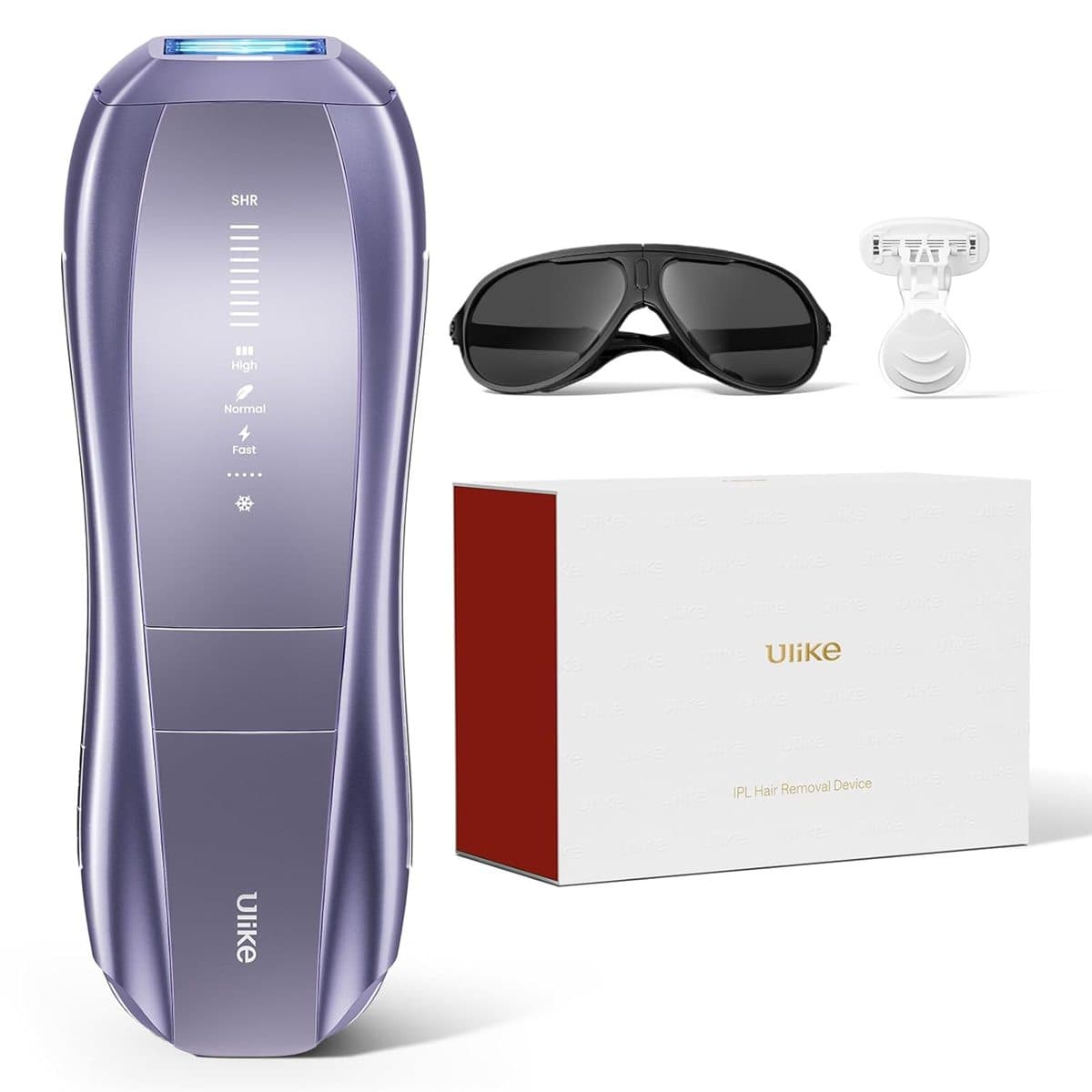
The best IPL hair removal device for sensitive skin is one that matches your skin tone and hair color, provides precise energy control, remains comfortable enough for consistent use, and includes clear safety guidance. Cooling can reduce the sensation at the treatment window, but it does not make an unsuitable intensity, body area, medication, or skin condition safe.
This sensitive-skin IPL buying guide explains skin-tone compatibility, cooling technology, automatic sensors, intensity levels, patch testing, treatment schedules, and areas to avoid. It also covers realistic results and long-term cost so you can compare at-home IPL hair removal devices without relying on pain-free or permanent-removal claims.
IPL features for sensitive skin at a glance
| Feature | Why it matters for sensitive skin | What to verify |
|---|---|---|
| Contact cooling | May reduce heat sensation at the treatment window | Cooling consistency during repeated flashes, not only at startup |
| Multiple intensity levels | Allows a lower starting energy when the manual permits | Number of levels and whether manual selection remains available |
| Skin-tone sensor | Can block or adjust flashes when detected skin tone is unsuitable | Approved skin-tone chart and whether the sensor checks continuously |
| Gentle or sensitive mode | May change energy, pulse sequence, or treatment speed | Exact behavior and areas for which the mode is approved |
| Good skin contact detection | Prevents flashes when the window is not positioned correctly | Performance on curves such as knees, ankles, and underarms |
| Clear treatment window | Helps place adjacent flashes without excessive overlap | Window size, edge visibility, and attachments for small areas |
1. Confirm that IPL is suitable for your skin tone and hair color
Intense pulsed light sends broad-spectrum flashes toward pigment in the hair. Absorbed energy helps reduce future regrowth over repeated treatments. At-home IPL generally works best when the hair contains enough dark pigment and there is sufficient contrast between the hair and surrounding skin.
IPL is often ineffective on white, gray, very light blond, and some red hair because there is too little target pigment. Some darker skin tones may absorb too much light in the skin, increasing the risk of pain, burns, blistering, or pigment changes. Compatibility differs by product, so use the skin-tone and hair-color chart for the exact model rather than a general IPL chart.
- Check the model-specific skin-tone chart in the current manual.
- Confirm that your natural hair color is within the supported range.
- Do not assume a skin sensor expands the approved compatibility range.
- Account for recent tanning, self-tanner, and seasonal skin-tone changes.
- Recheck suitability for each body area because pigmentation can vary.
- Stop and seek professional advice if you are unsure how to classify your skin.
2. Prioritize controlled cooling, not just a cold marketing label
A cooling IPL hair removal device can feel more comfortable because the treatment window helps draw heat away from the skin. This may be particularly useful during repeated flashes on larger areas. Compare whether cooling remains active continuously, how quickly it reaches operating temperature, and whether performance changes during a long session.
Cooling is a comfort feature rather than permission to exceed instructions. It may mask early heat sensation, so continue watching for excessive redness, pain, swelling, blistering, or color changes. The correct intensity, compatible skin tone, proper preparation, and no repeated overlapping flashes remain essential.
3. Choose useful intensity and treatment modes
Multiple intensity levels allow treatment to be adjusted within the approved range. Sensitive users should follow the manufacturer's patch-test and starting-level instructions rather than selecting the highest setting for faster results. More energy is not automatically better, and an intolerable routine is difficult to follow consistently.
Some devices offer gentle, normal, fast, or high-power modes. These labels may change pulse timing, energy, flash sequence, or cooling behavior, so compare the manual rather than assuming gentle mode is suitable for every person or body area. Automatic skin sensing can simplify adjustment, while manual control remains useful when the product permits a lower comfortable setting.
4. Always perform the required patch test
A patch test checks how a small area responds before a full session. Follow the exact preparation, energy, location, and waiting period specified for the device. Test each new body area and repeat testing when your skin tone, medication, product use, or time away from treatment has changed.
Do not continue if the test produces a reaction outside the expected response described by the manufacturer. Persistent pain, blistering, marked swelling, burns, or pigment changes require appropriate medical advice. A previous successful session does not guarantee that recently irritated, tanned, or sensitized skin is safe to treat.
5. Prepare sensitive skin correctly
Most at-home IPL routines require shaving so light can reach pigment below the skin without heating long surface hair. Unless the manual says otherwise, skin should be clean, dry, and free of deodorant, lotion, oil, self-tanner, fragrance, or other products. Waxing, epilating, and tweezing remove the target hair root and may interfere with the intended process.
Shaving itself can irritate sensitive skin. Use a clean, suitable razor, avoid unnecessary repeated passes, and allow the skin to settle for the interval required by the IPL manufacturer. Do not flash over razor cuts, active folliculitis, inflamed bumps, sunburn, broken skin, or a newly reactive area.
6. Check body-area restrictions
An IPL device approved for legs may have different rules for the face, underarms, bikini line, or other sensitive areas. Facial treatment is commonly limited to specified regions below the cheekbones, with strict precautions around the eyes. Bikini-area instructions may permit only external regions and prohibit genital or mucosal tissue.
- Never flash directly into or near the eyes unless the exact product instructions explicitly define a safe treatment method.
- Do not treat tattoos, permanent makeup, dark moles, or unusually pigmented spots.
- Avoid wounds, infections, active irritation, and areas with reduced sensation.
- Follow restrictions for nipples, genitals, anus, scalp, beard, and other hormone-sensitive or dense-hair areas.
- Check guidance for scars, varicose veins, implants, and recent cosmetic procedures.
- Seek clinical advice for changing moles or unexplained skin changes instead of treating over them.
7. Review medications and medical contraindications
Some medicines and topical products increase sensitivity to light or change how skin heals. Product contraindications may address retinoids, photosensitizing antibiotics, acne treatments, steroids, anticoagulants, chemotherapy, and other therapies. Do not stop prescribed medication to use IPL; ask the prescribing clinician whether and when treatment is appropriate.
Pregnancy, breastfeeding, a history of skin cancer, light-triggered disorders, diabetes-related sensation changes, immune conditions, epilepsy triggered by flashing light, and recent procedures may require avoidance or professional guidance. The manual for the exact device is the primary safety reference, and qualified medical advice takes priority when personal risk is unclear.
8. Compare flash speed, window size, and ergonomics
Treatment consistency depends on how easy the device is to position. A larger window and automatic glide mode can speed up legs or arms. A smaller attachment may improve contact around underarms, ankles, knees, and approved facial areas. Faster flashing reduces session time only when the device maintains its stated energy and cooling during repeated use.
Check grip comfort, cord length, button placement, weight, and whether vents become blocked in your normal hand position. A corded IPL device can provide consistent power but needs a nearby outlet. Cordless operation improves movement but introduces battery runtime, charging, and long-term battery aging.
9. Follow a realistic treatment schedule
Hair grows in cycles, and light-based treatment is most effective on susceptible hair in an active growth phase. This is why at-home IPL requires repeated sessions followed by maintenance. Follow the model-specific schedule; using it more often than instructed does not guarantee faster results and may increase irritation.
Track treated areas and dates so you do not accidentally repeat a region. Results vary with skin tone, hair color, hair density, body area, hormones, device energy, and consistency. Expect long-term hair reduction rather than guaranteed permanent hair removal, and expect some regrowth or maintenance sessions over time.
| Routine stage | What to do | Sensitive-skin priority |
|---|---|---|
| Before treatment | Confirm suitability, shave as directed, clean and dry skin | Avoid irritated, tanned, recently treated, or product-covered skin |
| Patch test | Use the instructed level on a small approved area | Wait the complete observation period before expanding treatment |
| Initial schedule | Treat only at the frequency stated in the manual | Use an approved comfortable setting and avoid overlapping flashes |
| After treatment | Follow product guidance for cooling, skincare, and sun exposure | Avoid fragranced or irritating products if the manual advises against them |
| Maintenance | Repeat at the recommended interval when regrowth appears | Reassess skin tone, medications, and new sensitivities before resuming |
10. Evaluate eye protection and flash controls
Many IPL devices include skin-contact sensors that prevent flashes when the treatment window is not fully positioned. This is an important safeguard, but users must still follow eye-safety instructions. Do not stare at the flash, point the device toward another person, or use accessories that are not approved for the exact model.
Whether protective eyewear is required varies by device design and manufacturer guidance. If glasses are supplied or required, use only suitable protection as directed; ordinary sunglasses are not automatically appropriate IPL eye protection. Keep other people, children, and pets away during operation.
11. Calculate total cost and support
Most modern home IPL devices advertise a large flash capacity intended to last through many treatment cycles. Check whether the lamp or battery is replaceable, what the warranty covers, and whether service is available in your region. Return rules matter because personal-care products may have hygiene restrictions after opening.
Compare included attachments, razor, storage case, eye protection, power adapter, app features, and written instructions. A lower price is poor value if cooling is inconsistent, the window is difficult to place, or the device is not approved for your skin tone. Buying from an authorized source also reduces the risk of counterfeit hardware and missing support.
IPL buying checklist for sensitive skin
- Confirm your skin tone and hair color on the exact device compatibility chart.
- Compare continuous contact cooling, intensity levels, and gentle modes.
- Check skin-tone sensing and full-contact flash protection.
- Read contraindications for medications, skin conditions, and recent procedures.
- Verify every intended body area is explicitly approved.
- Perform the required patch test and wait the full observation period.
- Choose a treatment window and flash speed you can use without overlapping excessively.
- Follow the stated initial and maintenance schedule rather than over-treating.
- Review eye-safety instructions, warranty, returns, and authorized support.
Frequently asked questions
The best IPL hair removal device for sensitive skin combines verified compatibility, precise intensity control, effective contact cooling, reliable sensors, and instructions you can follow consistently. Begin with eligibility and patch testing, not maximum power. A comfortable routine may support long-term hair reduction, but safety depends on respecting skin changes, contraindications, body-area restrictions, and the exact manual every time you treat.
Compare the top picks
Our full rankings for the products covered in this guide.