What Are the Biggest Problems With Robot Mowers?
Understand the real disadvantages of robotic lawn mowers, from setup and navigation to cut quality, maintenance, safety, and long-term cost.
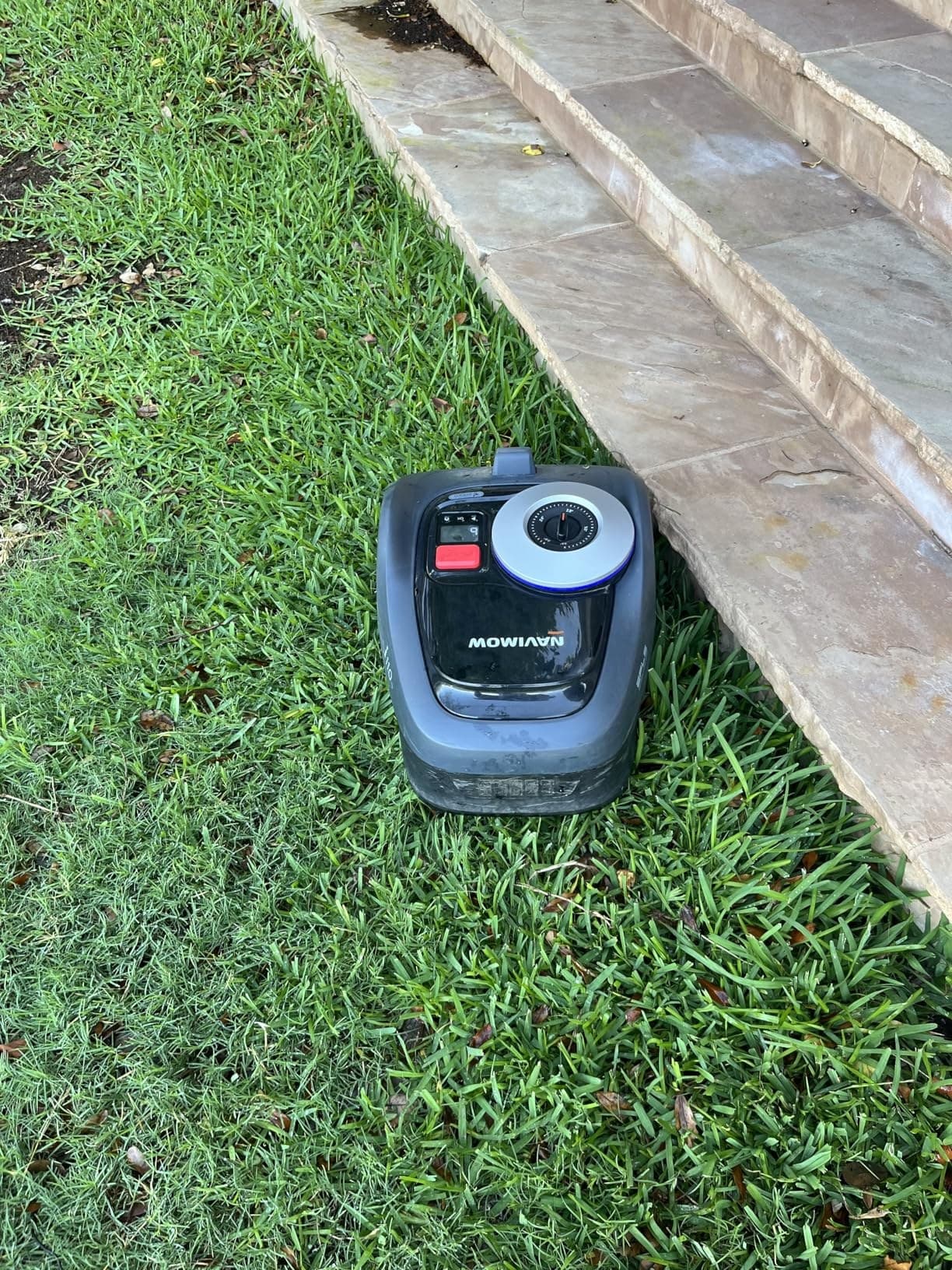
What are the biggest problems with robot mowers? The short answer is that they still require careful setup, a suitable lawn, routine maintenance, and realistic expectations. A robotic lawn mower can reduce weekly mowing work, but it does not remove every part of lawn care. Complex boundaries, narrow passages, steep slopes, wet grass, fallen objects, weak wireless coverage, and expensive repairs can all limit the convenience.
The disadvantages of robotic lawn mowers vary by yard and by navigation system. A flat, open lawn with clear edges is much easier to automate than a property divided by paths, trees, play areas, and multiple grass zones. Understanding the common robot lawn mower problems before buying helps you decide whether automation will save time or create a different maintenance routine.
The biggest robot mower problems at a glance
| Problem | Who is most affected | What can help |
|---|---|---|
| High purchase and installation cost | Large or complex yards requiring premium navigation | Compare total ownership cost, installation, accessories, and battery replacement. |
| Boundary and mapping errors | Lawns with trees, walls, weak satellite visibility, or several disconnected zones | Use careful mapping, signal checks, physical edge preparation, and supported transfer paths. |
| Uneven cut or missed areas | Bumpy lawns, narrow corners, tall grass, and cluttered gardens | Level major ruts, remove obstacles, mow frequently, and trim inaccessible edges separately. |
| Getting stuck | Yards with roots, holes, toys, fallen branches, gravel, or steep transitions | Prepare the lawn and inspect it regularly before scheduled mowing. |
| Maintenance and repair cost | Owners far from authorized service or with limited parts availability | Check warranty coverage, local service, blade cost, and battery support before purchase. |
| Safety and wildlife concerns | Homes with children, pets, small animals, or nighttime wildlife activity | Operate during daylight, keep the lawn clear, and supervise high-risk areas. |
1. The upfront cost can be difficult to justify
Robot mowers generally cost more upfront than basic walk-behind electric mowers. Wire-free navigation, all-wheel drive, cameras, anti-theft features, larger batteries, and coverage for large lawns can move the price much higher. Some yards also need professional installation, extra charging-station protection, boundary materials, or landscaping changes.
The correct comparison is total ownership cost, not purchase price alone. Include replacement blades, battery service, cellular or app subscriptions where applicable, winter storage, repairs, and the time needed to prepare the lawn. A robot mower may still offer value when it replaces frequent paid mowing, but the financial case is weaker for a small lawn that is already easy to cut.
2. Installation and mapping are not always simple
Boundary-wire robot mowers require a continuous perimeter wire and often separate guide wires. Installation can take hours, and a damaged wire may be difficult to locate later. Garden renovations, edging work, aeration, and digging can create new breaks.
Wire-free robot mowers remove the buried boundary, but they introduce different limitations. RTK satellite systems need a reliable view of the sky and a correctly positioned reference station. Buildings, dense trees, retaining walls, and narrow side yards can weaken positioning. Camera-based systems may struggle with changing light, indistinct grass edges, or temporary obstacles. Mapping is easier than installing wire in many yards, but it is not automatically trouble-free.
3. Complex lawns expose navigation weaknesses
A robot mower performs best when it can move between open grass areas without encountering sharp drops, loose gravel, exposed roots, deep ruts, or tight corners. Irregular borders and small islands can create inefficient routes. A mower may repeatedly approach the same obstacle, miss a narrow patch, or stop where two surfaces meet.
- Narrow corridors may be below the mower's supported passage width.
- Steep slopes can cause wheel slip, uneven cutting, or navigation errors.
- Soft ground can allow wheels to dig in after rain.
- Raised roots and holes can trap the deck or lift drive wheels off the ground.
- Ponds, retaining walls, and unprotected drops require especially reliable exclusion zones.
4. Robot mowers can get stuck on ordinary yard clutter
Obstacle detection has improved, but no system identifies every object in every condition. Toys, garden hoses, fallen fruit, branches, pinecones, tools, pet waste, and loose clothing can interrupt a cycle or reach the cutting area. Low objects may sit below a camera's most reliable detection zone. Flexible objects can move after initial contact.
Owners still need to inspect the lawn regularly. That task is quicker than mowing, but it means a robot mower is not entirely hands-off. Households with children, active pets, or frequent storm debris may need to clear the yard before every scheduled run.
5. Cut quality depends on frequent mowing
Robotic lawn mowers are designed to remove a small amount of grass frequently. Their lightweight pivoting blades maintain an even lawn by making repeated passes. They are less suitable for recovering an overgrown yard, cutting heavy weeds, collecting leaves, or creating the strong stripe pattern produced by a heavy roller mower.
Edges are another common complaint. The body and safety clearance prevent many models from cutting directly against walls, fences, and raised borders. Even a model with edge-cutting behavior may leave a narrow strip that needs a string trimmer. Flower beds with grass-level pavers are easier to maintain than beds surrounded by high curbs.
6. Wet weather and seasonal conditions reduce reliability
Many robot mowers are weather resistant, but mowing wet grass can still create problems. Damp clippings stick to the cutting deck, reduce airflow, add weight, and require more frequent cleaning. Wheels may slip on slopes or damage soft soil. Very dry ground can create dust around sensors, while early frost and extreme heat can affect battery performance.
Rain sensors and weather-aware scheduling help, but local conditions matter. Irrigation schedules should not overlap with mowing. In climates with a dormant season, the mower and charging equipment may need cleaning, dry storage, and periodic battery care.
7. Maintenance does not disappear
A robot mower eliminates much of the walking and pushing, not the maintenance. Blades need inspection and replacement. Grass must be removed from wheels and the underside. Sensors and charging contacts need cleaning. Firmware, maps, schedules, and app connections may need attention after updates or network changes.
- Replace worn or damaged blades as a matched set.
- Check wheels for packed mud and grass that can reduce traction.
- Keep camera lenses and other navigation sensors clean.
- Inspect the charging station and contacts for dirt or corrosion.
- Follow battery and off-season storage instructions.
- Confirm that replacement blades, wheels, batteries, and repair service are available in your region.
8. Battery aging and repairs can become expensive
Lithium-ion batteries gradually lose capacity. How quickly that happens depends on temperature, charge cycles, storage, mowing load, and battery management. A mower that originally completes the lawn in one charge may later need an additional charging stop. Battery replacement can restore performance, but cost and serviceability vary by manufacturer.
Repairs can also be less accessible than repairs for conventional mowers. Navigation hardware, sealed electronics, wheel motors, and proprietary parts may require authorized service. Before buying, check warranty length, turnaround time, local dealer support, shipping requirements, and parts availability.
9. Theft, connectivity, and privacy require attention
A robot mower is valuable equipment that operates outdoors, often without direct supervision. PIN codes, lift alarms, GPS tracking, geofencing, and account locking can discourage theft, but they do not physically secure the machine. The charging station and mower should be positioned thoughtfully, and insurance coverage may be worth checking.
App-connected mowers also depend on software support. Wi-Fi or cellular coverage may be weak at the far end of a property. Cloud outages, account problems, phone changes, or discontinued services can affect remote control. Camera-equipped models raise an additional question: owners should understand what visual data is stored, where it is processed, and which privacy controls are available.
10. Safety systems reduce risk but do not remove it
Modern robot mowers use lift sensors, tilt sensors, bump detection, cameras, and blade shutoff systems. Those protections are important, but a moving cutting machine still requires responsible scheduling. Keep children and pets away while it operates, remove loose objects, and never rely on obstacle detection as the only safety measure.
Wildlife is another concern, particularly for small nocturnal animals. Daytime mowing is generally the more cautious choice. Avoid nighttime schedules, inspect areas where animals may shelter, and follow local wildlife and safety guidance.
Are robot lawn mowers worth it despite these problems?
Robot lawn mowers can be worth it for owners with a compatible lawn who value frequent automatic cutting more than a low purchase price. They are especially appealing when mowing is physically difficult, time-consuming, or required several times a week. The strongest candidates are relatively open lawns with predictable boundaries, manageable slopes, clear routes, and easy access to power.
They are less convincing for heavily wooded properties, very small lawns, yards full of disconnected zones, rough ground, frequent debris, or owners who expect one machine to handle tall grass, edging, leaf collection, and seasonal cleanup. In those situations, a conventional mower or a mixed approach may be more practical.
How to avoid the most common robot mower problems
- Measure the lawn and map every separate grass zone before selecting a model.
- Check slopes, narrow passages, tree cover, wall placement, and wireless signal strength.
- Prepare rough edges, fill major holes, and remove low obstacles before installation.
- Choose a mower with capacity above your measured lawn area rather than matching the limit exactly.
- Verify local repair support, warranty terms, battery service, and replacement-part pricing.
- Schedule mowing during daylight when children, pets, and wildlife are less likely to be at risk.
- Expect to trim some edges and handle seasonal lawn cleanup separately.
Frequently asked questions
The biggest problems with robot mowers are manageable when the machine matches the lawn and the owner expects ongoing preparation and maintenance. Evaluate the property first, compare navigation systems carefully, and budget for the full ownership period. A realistic purchase decision is more likely to deliver the time savings that robotic mowing promises.
Compare the top picks
Our full rankings for the products covered in this guide.