Pool Robot Battery Life Comparison: Runtime, Charging, and Coverage
Compare cordless pool robot runtime, charging time, battery capacity, and real-world coverage before choosing a cleaner for your pool.
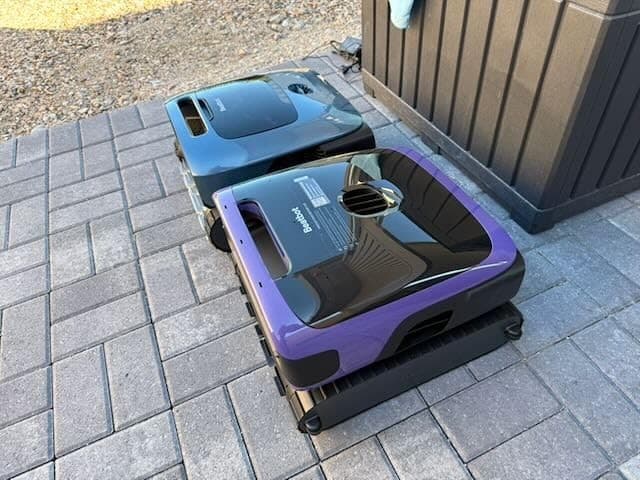
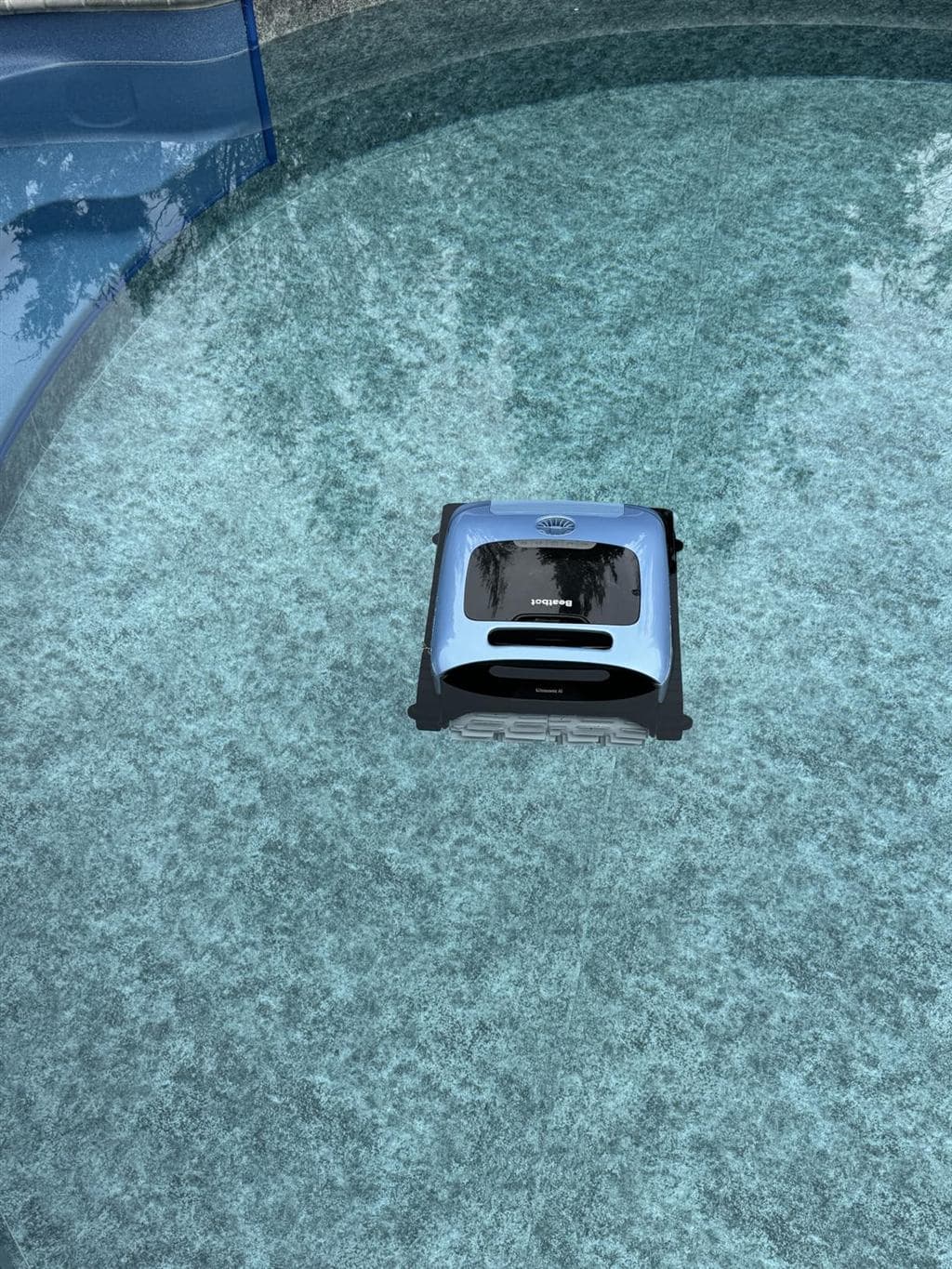
Pool robot battery life can determine whether a cleaner finishes the pool in one cycle or stops before the job is done. This pool robot battery life comparison explains how runtime, charging time, pool coverage, cleaning mode, and battery capacity work together. It also uses the Beatbot Sora 70 as a current long-runtime example, based on specifications published on its Amazon product page.
The most useful number is not always the largest battery capacity. A well-matched cordless robotic pool cleaner should complete your normal cleaning route with a reasonable reserve, return to an accessible location, and recharge before the next scheduled cycle.
Pool robot battery life comparison at a glance
| Pool or cleaning need | Runtime target | Why it matters |
|---|---|---|
| Small above-ground pool | About 90-150 minutes | Often enough for a floor-only cycle when the route is simple and debris is light. |
| Medium residential pool | About 150-240 minutes | Provides more time for walls, turns, and repeated passes without requiring an oversized battery. |
| Large or complex pool | About 240-300 minutes or more | Better suited to long routes, multiple surfaces, shallow zones, and heavier debris loads. |
| Beatbot Sora 70 example | Up to 300 minutes of floor cleaning | The manufacturer states up to five hours of continuous floor cleaning and coverage up to 3,200 sq. ft. per charge. |
How long does a pool robot battery last per charge?
Many cordless pool robots are designed to run somewhere between roughly 90 minutes and five hours per cycle. The appropriate range depends on pool size and the surfaces included in the cleaning mode. A compact floor-only cleaner may finish a small pool in less than two hours, while a robot covering the floor, walls, waterline, and shallow areas needs a longer operating window.
When comparing robotic pool cleaner battery life, match the claimed runtime to the longest cycle you realistically expect to use. A five-hour specification is useful for a large pool only if the robot can navigate that pool efficiently and maintain enough suction throughout the cycle. Runtime alone does not guarantee complete coverage.
Beatbot Sora 70 battery and runtime specifications
The Beatbot Sora 70 product page lists a 10,000mAh lithium-ion battery, up to five hours of continuous floor cleaning, and coverage up to 3,200 square feet per charge. The comparison chart on the same page lists a charging time of approximately 4.5 hours. These are manufacturer-provided specifications rather than results from an independent DailyPickGuide laboratory test.
- Claimed floor-cleaning runtime: up to 300 minutes.
- Published battery capacity: 10,000mAh.
- Published charging time: approximately 4.5 hours.
- Claimed pool coverage: up to 3,200 square feet per charge.
- Cleaning coverage includes the floor, walls, waterline, water surface, and shallow-water zones, depending on the selected mode.
- Smart surface parking is designed to bring the robot to the pool edge when cleaning ends or the battery runs low.
For a large residential pool, those specifications place the Sora 70 in the long-runtime category. Its 6-liter debris capacity and stated 6,800 GPH flow rate are also relevant because a robot that needs frequent basket cleaning may not benefit fully from a long battery cycle.
Runtime versus charging time
Pool robot charging time matters most when you need more than one cycle in a day. A robot that runs for two hours and charges in two hours may suit a small pool with frequent light cleaning. A long-runtime model that requires four or five hours to recharge is better treated as a once-per-day cleaner unless you have enough time between cycles.
The Sora 70's published five-hour maximum floor runtime and approximately 4.5-hour charging time produce a near one-to-one runtime-to-charge relationship. For most homeowners, the practical advantage is the possibility of completing a large cleaning route in one session rather than performing several short cycles.
What reduces real-world cordless pool cleaner runtime?
- Wall and waterline cleaning uses additional energy for climbing and maintaining traction.
- Heavy leaves, sand, and a full filter can increase resistance and cleaning time.
- Complex shapes, steps, ledges, and obstacles require more turns and route corrections.
- Low water temperatures can temporarily reduce lithium-ion battery performance.
- Aging batteries gradually hold less usable energy after repeated charge cycles.
- High-power or deep-cleaning modes may trade longer runtime for stronger cleaning performance.
How to compare pool robot battery specifications
Start with pool area, but do not stop there. Note the longest wall, the amount of waterline, shallow ledges, and the debris that normally collects. Then compare claimed runtime in the cleaning mode you expect to use. Some brands advertise their longest floor-only runtime even though a complete floor-and-wall cycle is shorter.
- Compare runtime for the same cleaning mode, not just the largest number on each product page.
- Check maximum pool coverage and whether it refers to area, pool length, or both.
- Look for low-battery parking or retrieval features so a depleted robot is easy to remove.
- Confirm charging time and whether the charger must remain indoors or under cover.
- Consider filter capacity because a full basket can end a useful cleaning cycle before the battery does.
- Review battery warranty terms and the availability of authorized replacement service.
How to extend robotic pool cleaner battery life
Good charging and storage habits can help preserve battery health. Follow the manufacturer's charging instructions, keep charging contacts clean and dry, and avoid leaving the robot in the pool for long periods after a cycle. Store the unit away from direct sun and extreme temperatures. During long off-season storage, follow the manual's recommended charge level and recharge schedule.
Cleaning the filter after each demanding cycle also helps. A clear filter and unobstructed intake allow the motors to move water efficiently, which can reduce unnecessary load during the next run.
Which runtime range should you choose?
Choose enough runtime to finish your normal route with a reserve, not simply the highest specification available. Small, simple pools may be well served by 90 to 150 minutes. Medium pools often benefit from 150 to 240 minutes. Large or complex pools are stronger candidates for a 240- to 300-minute cordless pool cleaner runtime, especially when wall and waterline coverage are priorities.
In this pool robot battery life comparison, the Beatbot Sora 70 stands out on published endurance: up to five hours of floor cleaning from a 10,000mAh battery, with approximately 4.5 hours of charging. The right choice still depends on pool geometry, cleaning mode, retrieval, filter maintenance, and budget. Use all of those factors together before deciding which pool robot battery life is genuinely sufficient for your pool.
Frequently asked questions
Compare the top picks
Our full rankings for the products covered in this guide.