How to Choose a Smart Ring: Complete Buying Guide
Use this smart ring buying guide to compare sizing, sleep tracking, health metrics, battery life, subscriptions, compatibility, and privacy.
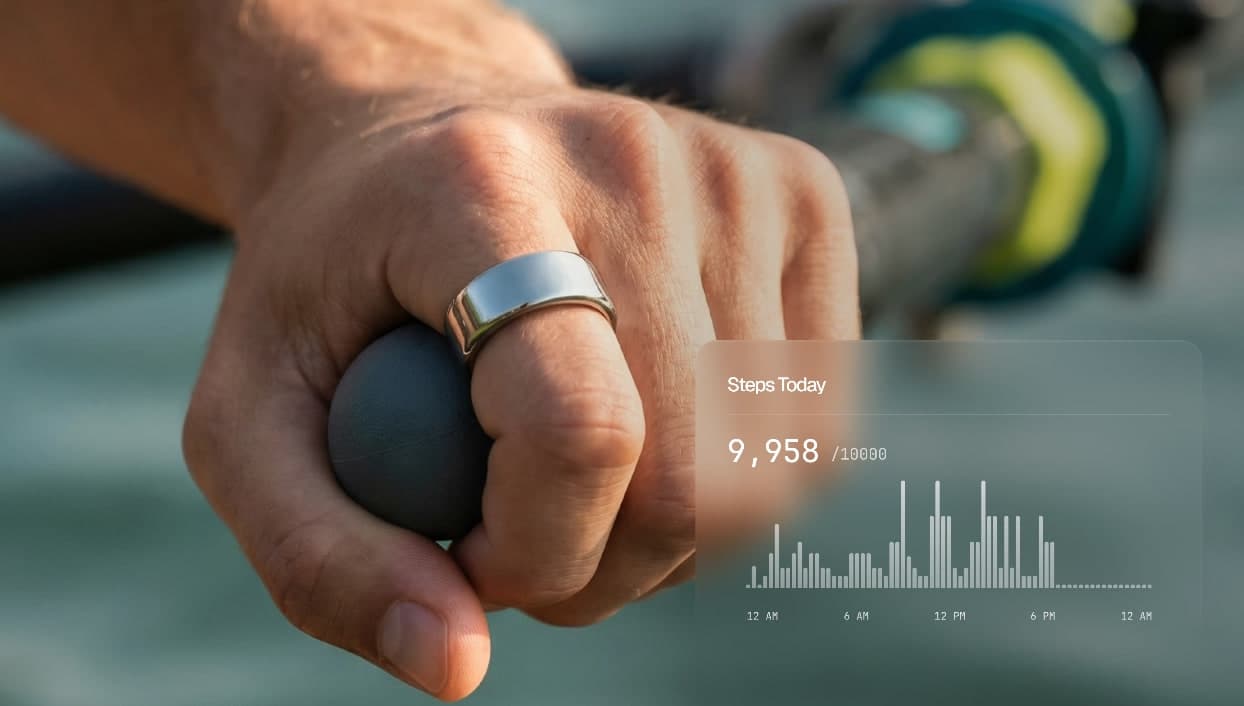
Learning how to choose a smart ring starts with fit and comfort, not the longest list of sensors. A ring must maintain reliable skin contact while remaining comfortable through sleep, exercise, temperature changes, and normal finger swelling. If the fit is wrong, even advanced hardware may produce gaps or inconsistent readings.
This smart ring buying guide explains sizing, sleep tracking, heart-rate trends, recovery scores, battery life, phone compatibility, water resistance, subscriptions, privacy, and long-term cost. It also clarifies what consumer wearable data can and cannot tell you, so you can choose the best smart ring for your priorities without treating wellness estimates as a medical diagnosis.
Smart ring buying guide at a glance
| Main priority | Features to compare | Important limitation |
|---|---|---|
| Sleep tracking | Comfort, overnight battery, sleep-stage trends, breathing and temperature data | Consumer sleep stages and breathing insights are estimates, not clinical diagnoses. |
| Recovery and wellness | Resting heart rate, heart-rate variability, temperature trends, clear score explanations | Scores are specific to each platform and should be interpreted as personal trends. |
| Activity tracking | Automatic workout detection, supported activities, phone GPS integration | A ring may be less convenient than a watch for live pace, routes, or on-screen workout controls. |
| Women's health | Temperature trends, cycle features, transparent prediction methods, privacy controls | Predictions are not contraception and should not replace professional medical advice. |
| No subscription | Included app features, historical data, exports, future feature policy | Subscription-free hardware can still have a higher purchase price or limited integrations. |
| Android or iPhone ecosystem | Supported phones, health-platform syncing, account requirements | Compatibility and feature availability may differ by phone brand, region, and app version. |
1. Decide what you want a smart ring to track
Most smart rings focus on passive wellness tracking rather than displaying notifications. Common measurements include movement, skin temperature trends, heart rate, heart-rate variability, and blood oxygen estimates. Apps combine these signals into sleep, activity, readiness, stress, or recovery insights. The useful question is not how many metrics a ring lists, but whether its app turns the metrics you care about into understandable trends.
Choose two or three primary goals before comparing products. Someone interested in sleep may value comfort, stable overnight sensing, and a long battery. An athlete may prioritize workout heart rate, recovery trends, and integrations. A buyer who dislikes recurring fees should examine exactly which insights remain available without membership.
2. Use the manufacturer's smart ring sizing kit
Smart ring sizing can differ from standard jewelry sizes and between brands. Order or request the exact manufacturer's sizing kit before selecting the final ring. Wear the sample for at least a full day and overnight because fingers change size with heat, cold, hydration, exercise, sleep, and time of day.
The ring should be snug enough that its sensors stay against the skin and the device does not rotate freely. It should still slide over the knuckle without pain and must not cause numbness, discoloration, tingling, or persistent pressure. Follow the brand's recommended fingers and sensor orientation; many companies favor the index, middle, or ring finger on the non-dominant hand.
- Test the sizing sample during sleep, work, exercise, and ordinary hand washing.
- Check fit in both the morning and evening and in different temperatures.
- Make a fist and grip normal objects to confirm the ring does not pinch.
- Verify the bumps or sensor modules maintain contact without causing discomfort.
- Review exchange rules because finger size and comfort can change after purchase.
- Remove the ring if swelling, skin irritation, or circulation symptoms occur.
3. Compare sleep tracking and breathing insights carefully
A smart ring can be comfortable for sleep because it has no bright screen and is generally smaller than a watch. Platforms may estimate sleep duration, timing, awakenings, sleep stages, resting heart rate, overnight heart-rate variability, temperature deviation, and breathing patterns. Consistent wear is usually more valuable than focusing on a single night's score.
Sleep stages generated by consumer wearables are estimates based on movement and cardiovascular signals rather than direct measurement of brain activity. Likewise, blood oxygen or breathing-disturbance features can show patterns but do not establish or rule out sleep apnea. Loud snoring, witnessed breathing pauses, severe daytime sleepiness, or other concerning symptoms warrant professional evaluation even when a ring reports a normal result.
4. Understand heart rate, HRV, stress, and recovery scores
Optical sensors estimate pulse by observing blood-volume changes in the finger. Rings often collect strong resting and overnight signals, but motion, poor fit, cold hands, skin contact, tattoos, and intense exercise can affect readings. Compare whether the product supports continuous, periodic, workout, and overnight measurement rather than assuming every heart-rate feature works the same way.
Heart-rate variability, or HRV, changes with sleep, training, illness, alcohol, stress, and many other factors. Values also differ significantly among individuals and measurement methods. Recovery or readiness scores are most useful for following your own baseline when the app explains which signals influenced the result. Scores from different brands are not directly interchangeable.
5. Evaluate activity and workout tracking
Smart rings can estimate steps, activity, calories, and selected workouts, but they do not have a display for pace, maps, intervals, or live training prompts. Some rely on a connected phone for GPS routes. If exercise is your primary goal, check the exact supported activities, automatic detection, workout heart-rate performance, GPS requirements, and integration with your training app.
Weightlifting, rowing, climbing, and equipment-based workouts can be uncomfortable or unsafe while wearing a rigid ring. Pressure between the ring and a bar can damage the device or injure the finger. Follow the manufacturer's guidance and remove the ring for activities where it could catch, compress, scratch, or interfere with grip.
6. Check battery life and charging convenience
Smart ring battery life is commonly advertised in days, but real results change with ring size, sensor use, workout tracking, temperature, wireless syncing, and battery age. A long runtime is valuable because frequent charging creates gaps in overnight and recovery data. Compare typical user reports as well as the maximum manufacturer claim.
- Check whether the charger is a size-specific dock or a portable charging case.
- Compare full charging time and whether short top-ups are practical.
- Confirm replacement chargers are available and reasonably priced.
- Review low-battery alerts so the ring does not unexpectedly stop overnight.
- Expect lithium battery capacity to decline gradually with age and charging cycles.
- Check repair or replacement policies because tiny sealed batteries are rarely user-serviceable.
7. Review subscriptions and total ownership cost
Some smart rings include their current app features with the hardware, while others require a monthly or annual membership for detailed insights. Determine what works without a subscription: basic metrics, readiness scores, long-term trends, coaching, reports, and data export may be treated differently. Current terms can change, so review them directly before purchasing.
Calculate at least two to three years of ownership rather than comparing hardware prices alone. Include the ring, sizing kit if charged separately, subscription, replacement charger, potential finish wear, and the likely battery service life. A subscription-free smart ring may offer better long-term value, but only if its measurements, app, and support meet your needs.
8. Confirm phone and app compatibility
Check supported Android or iOS versions, phone-brand restrictions, Bluetooth requirements, account setup, and regional availability. Some ecosystem features may work only with specific phones. If you already use Apple Health, Health Connect, Samsung Health, Strava, or another platform, verify which data moves in each direction rather than accepting a generic integration claim.
App quality determines whether raw data becomes useful. Look for clear trend explanations, editable sleep and workout records, stable syncing, useful notifications, historical access, and data export. Recent reviews can reveal whether software updates improved the product or introduced reliability problems.
9. Examine privacy and account security
Smart rings can collect sensitive information about sleep, movement, heart rate, temperature, reproductive-health estimates, and daily routines. Read the privacy policy to learn what is stored locally or in the cloud, how long data is retained, whether it is used for advertising or product development, and how it may be shared with service providers or researchers.
Prefer platforms with clear deletion and export tools, transparent consent controls, and strong account security. Use a unique password and enable multi-factor authentication when available. Consider what happens to your historical data and device functionality if you cancel a subscription, delete the account, or the company stops supporting the product.
10. Compare durability, water resistance, and finishes
Titanium and other durable materials can keep weight low, but no finish is immune to scratches. Rings frequently contact desks, weights, tools, cookware, and door handles. Dark coatings may show wear differently from natural metal. If appearance matters, examine long-term photos and warranty exclusions rather than relying only on new-product images.
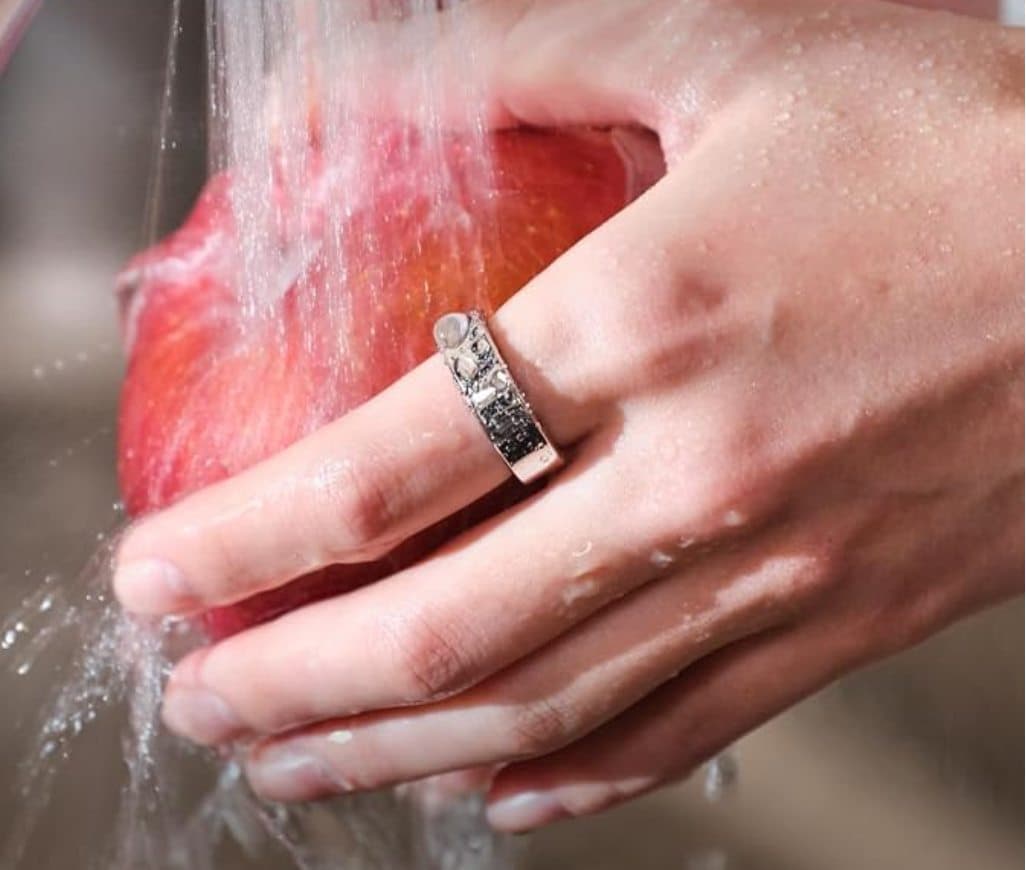
Water-resistance ratings have specific test conditions and do not guarantee protection in every situation. Depth, duration, temperature, soap, chemicals, saltwater, impact, and aging seals can matter. Check the manufacturer's instructions for swimming, showering, sauna use, diving, and cleaning, then dry the ring and skin to reduce irritation.
Smart ring buying checklist
- Choose the health, sleep, recovery, or activity trends that matter most to you.
- Use the exact brand sizing kit for at least one full day and night.
- Compare supported metrics and how clearly the app explains personal trends.
- Treat breathing, oxygen, sleep-stage, and wellness estimates as non-diagnostic data.
- Check real battery life, charging method, and replacement-charger availability.
- Confirm phone, operating-system, health-platform, and regional compatibility.
- Calculate hardware and subscription cost over several years.
- Review privacy, data export, deletion, and account-security controls.
- Check water-resistance limits, finish durability, warranty, and return rules.
Frequently asked questions
The best answer to how to choose a smart ring is to prioritize comfortable sizing, the few insights you will actually use, dependable battery life, a clear app, and acceptable long-term cost. A well-matched smart ring can make passive sleep and wellness tracking easier, but its estimates should support informed habits and medical conversations rather than replace professional care.
Compare the top picks
Our full rankings for the products covered in this guide.